

QUALITY CONTROL
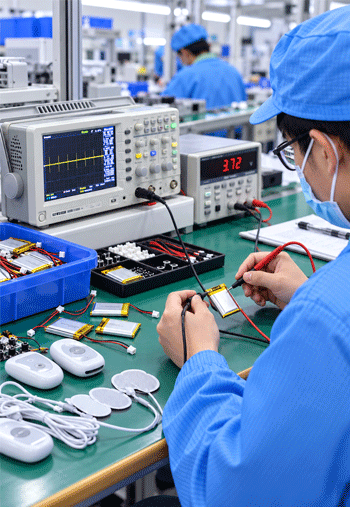



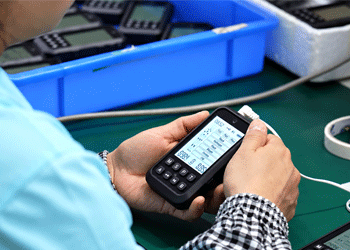


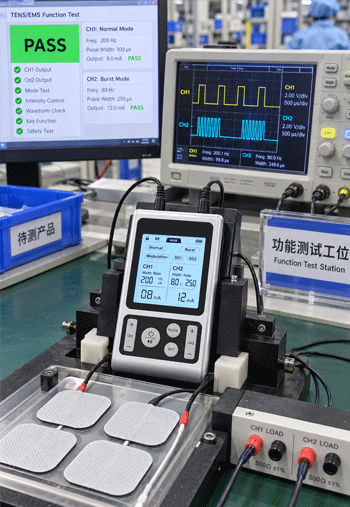
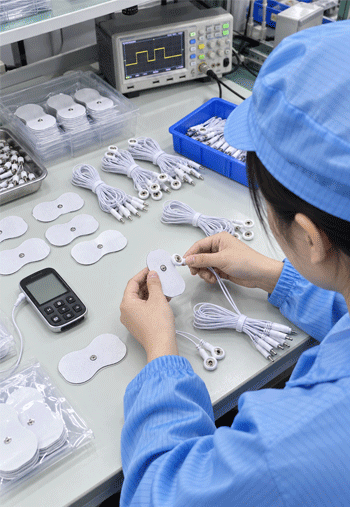

From incoming components to pre-shipment review, our inspection checkpoints focus on what matters to OEM buyers: repeatable device performance, consistent assembly, correct private-label details and documented order requirements.
For: Private-label brands · Distributors · Importers · OEM/ODM projects
A product sample is only the starting point. The real question is whether your approved specifications can be followed consistently across a production order.
Align reference samples, required functions and acceptance criteria before production.
Review the key electrical, control and accessory functions for each model.
Confirm the approved model marking, artwork, instructions and packaging.
Compare finished goods and order details with the agreed release criteria.
The checkpoints below reflect the existing Quality Control projects. The exact inspection plan is defined according to the product, order and agreed requirements.
Incoming components are checked against agreed drawings, specifications and approved reference samples.
Check component identification, board appearance and critical connection points before assembly.
Review workmanship, connector fitting and key in-process checkpoints during assembly.
Review applicable safety requirements and relevant test documentation for the intended product and market.
Verify housing finish, model marking, brand artwork and package information against approved files.
Check agreed product, accessory, packaging and order requirements before shipment approval.
For TENS and EMS products, buyer evaluation should focus on whether the delivered device behaves as specified—not simply whether the screen turns on.
Output behavior: Waveform, pulse frequency, pulse width and intensity against the agreed model specification.
Controls and channels: Mode switching, timer response and independent channel adjustments where applicable.
Power and accessories: Charging, battery behavior, lead-wire connection and electrode compatibility.
Optional features: App pairing, remote control, heating and other product-specific functions, when included.
Test items, limits and sampling must be confirmed for the selected model and project.
When a customer changes an existing product—such as its logo, accessories, controls, firmware or packaging—the approved reference needs to be reflected in the production checklist.
• Confirmed model configuration and function list
• Approved logo, label and packaging artwork
• Electrode pads, lead wires and other accessories
• Agreed inspection points and release criteria
Identifying a problem early helps avoid carrying it into later manufacturing stages. Corrective actions and the required supporting records should be defined by the applicable quality procedure.
Record the issue and distinguish nonconforming material or finished units from accepted stock.
Review the suspected cause and decide on disposition, correction or follow-up checks.
Recheck affected items against the approved criteria before they move to the next stage.
A buyer may need more than product photos. Ask which records can be supplied for the specific device, destination market and order.
Examples: incoming checks, in-process checkpoints, selected functional inspection results and shipment review notes.
Examples: model specifications, approved labeling, user instructions and product-specific test reports.
Discuss applicable regulatory documents by product type and target market. Status and availability must be verified.
Document availability and testing arrangements vary by model and project. No certification, clearance or universal pass rate is implied.
Share your target model, market and important specifications. Our team can discuss the applicable checkpoints and confirm which records are available.
Testing coverage depends on the model, stage and agreed sampling or testing plan. Confirm the exact scope rather than assuming every unit receives every test.
Use an approved artwork and packaging reference to compare model markings, logo placement, labels, instructions and included accessories.
Requirements differ by product and destination market. Request the exact device-specific evidence and validate its scope and current status before making regulatory claims.
Tell us your target market, model, expected quantity, required functions and any inspection or documentation requirements. We can help determine what needs to be confirmed before sample approval and production.
No account yet?
Create an Account