

TENS & EMS Buyer Resources
Private Label Packaging & Branding for TENS and EMS Products

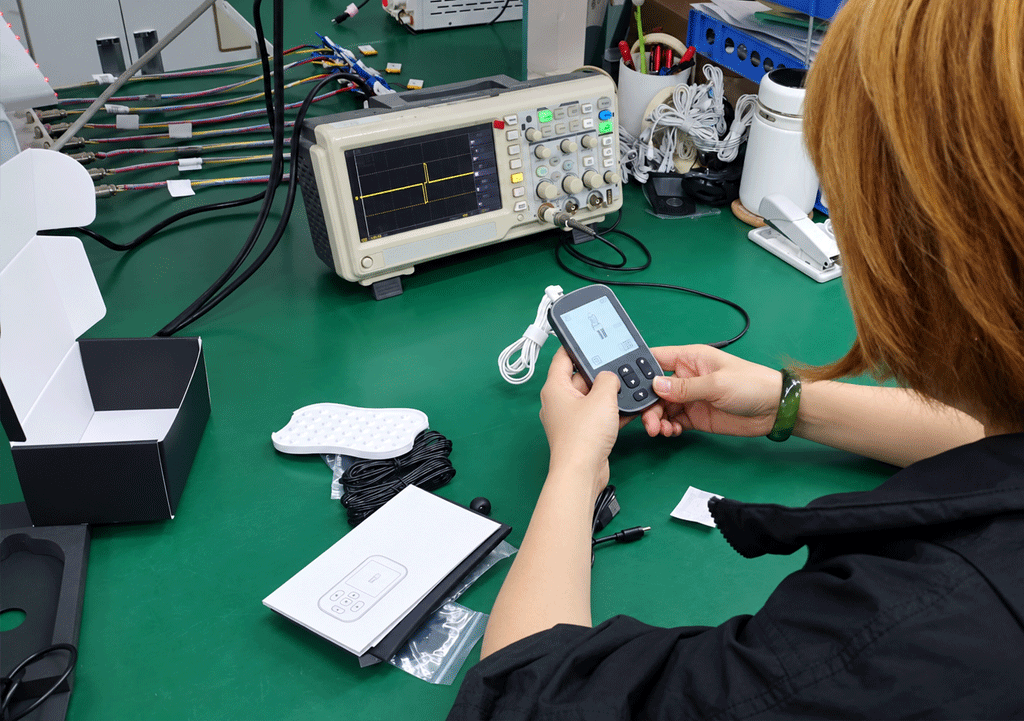

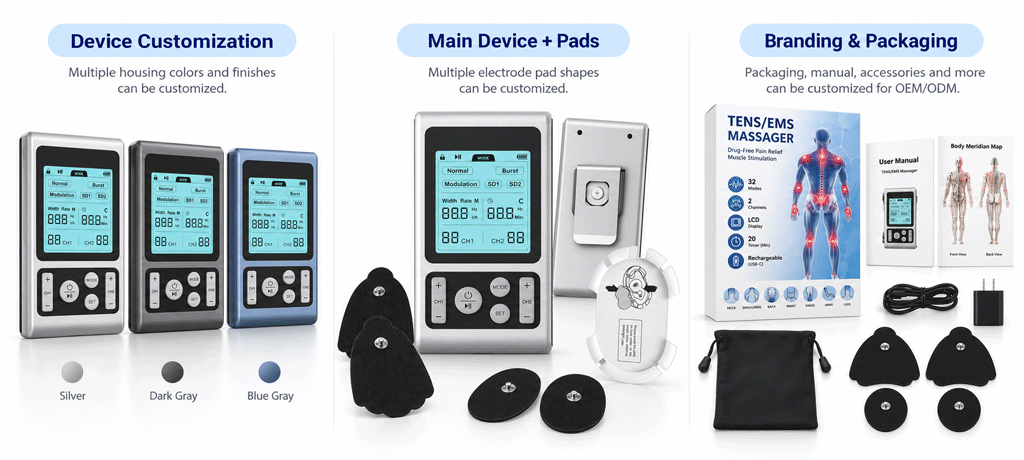
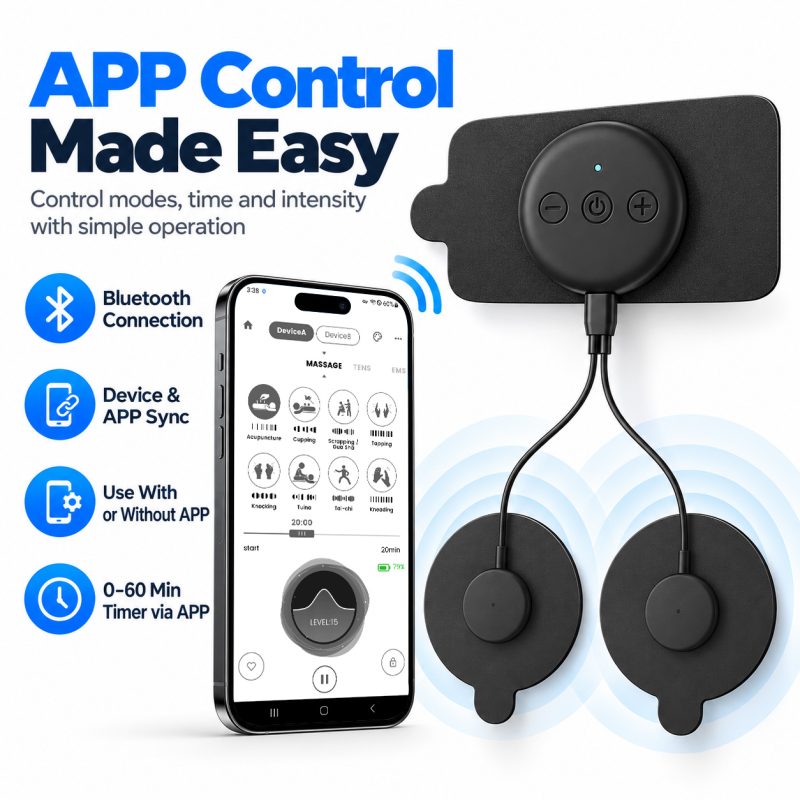
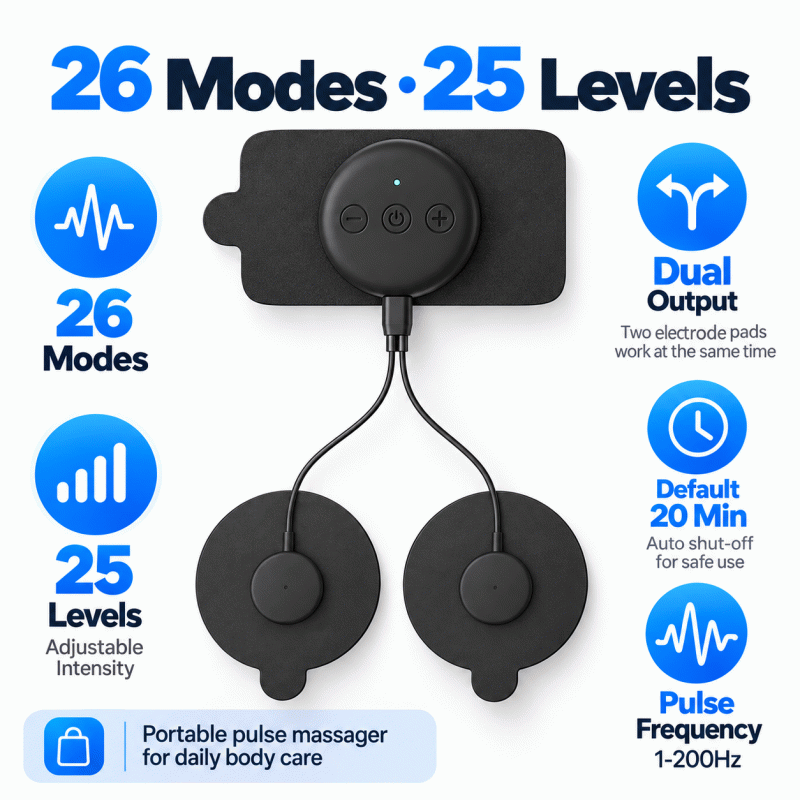
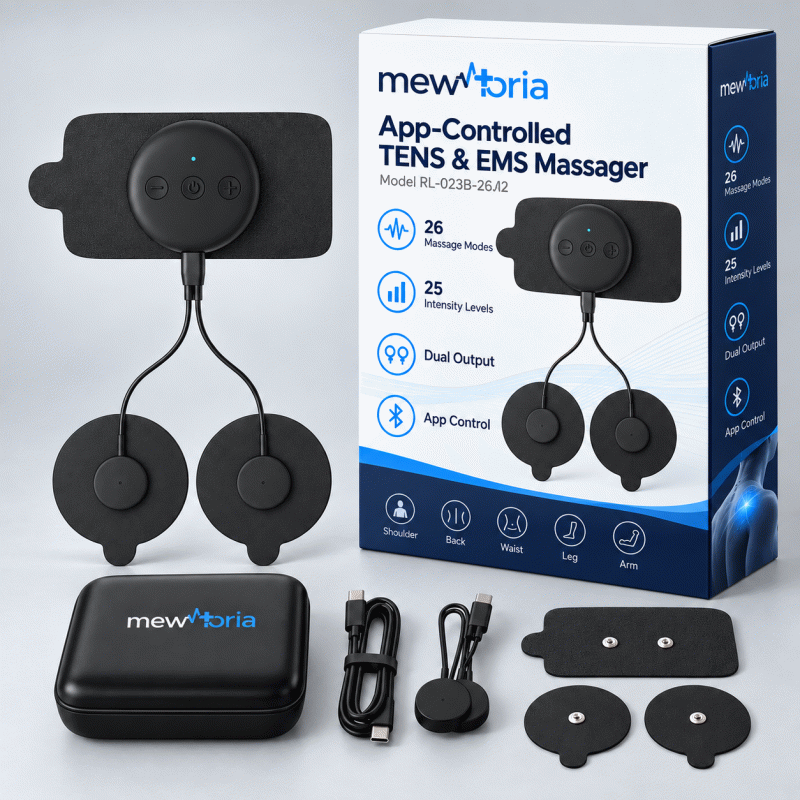
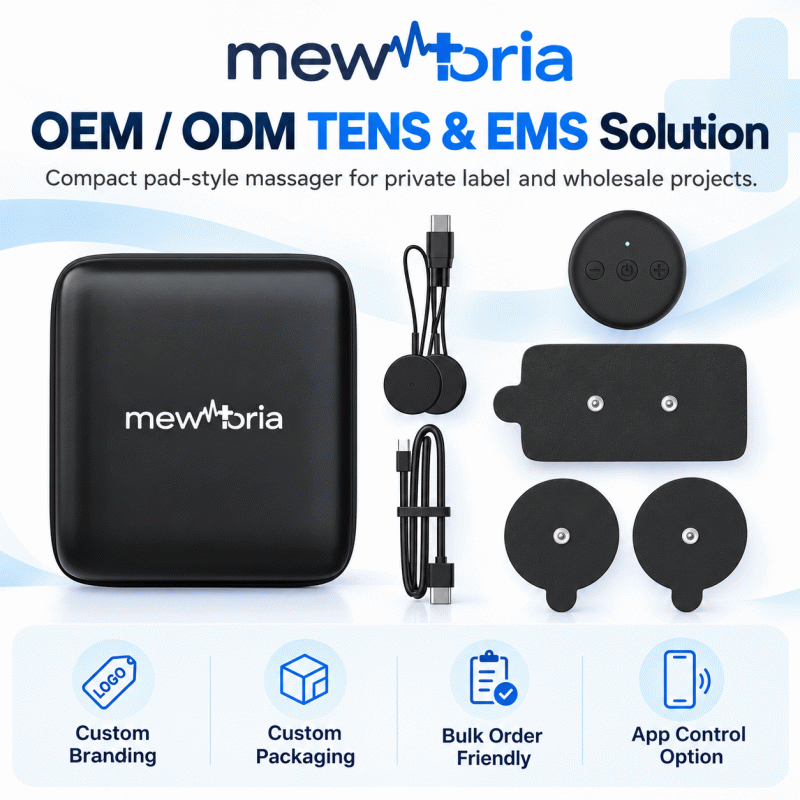
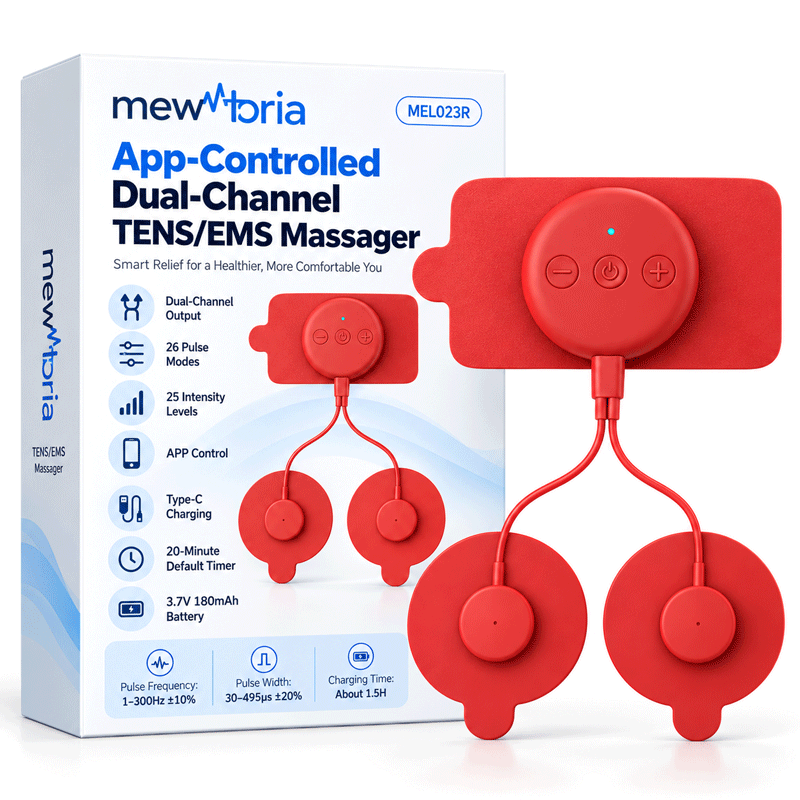
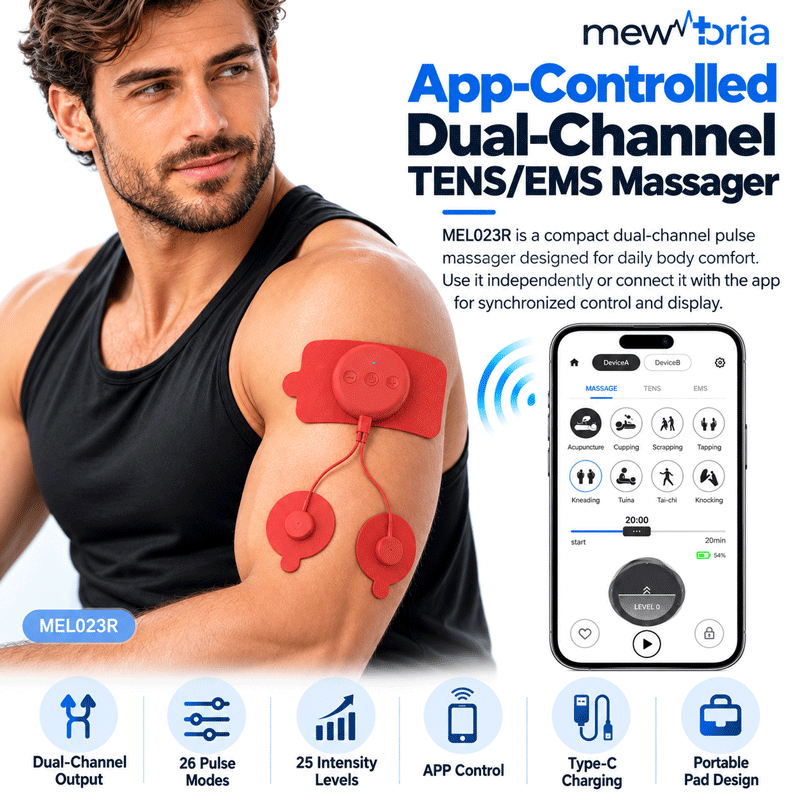
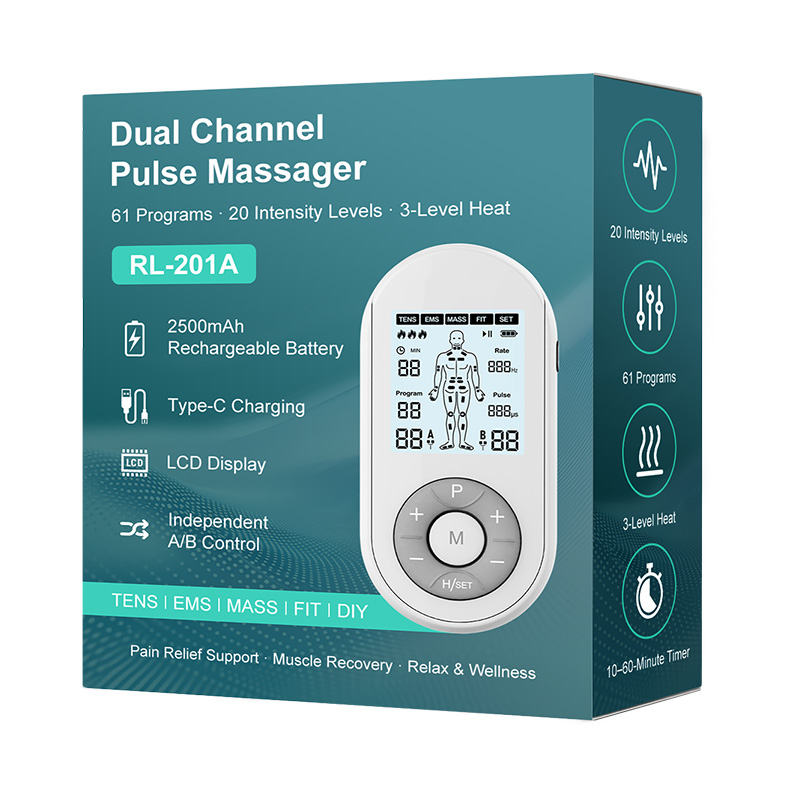
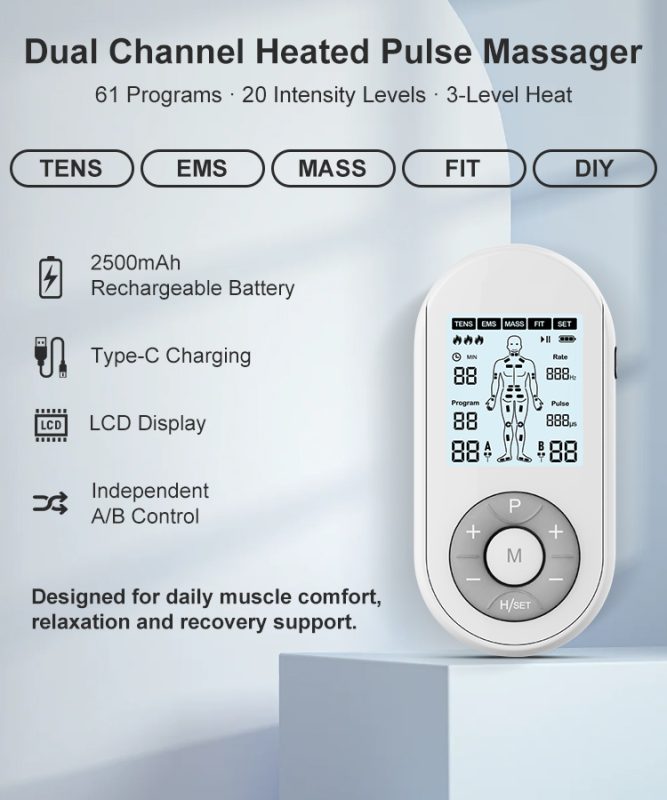
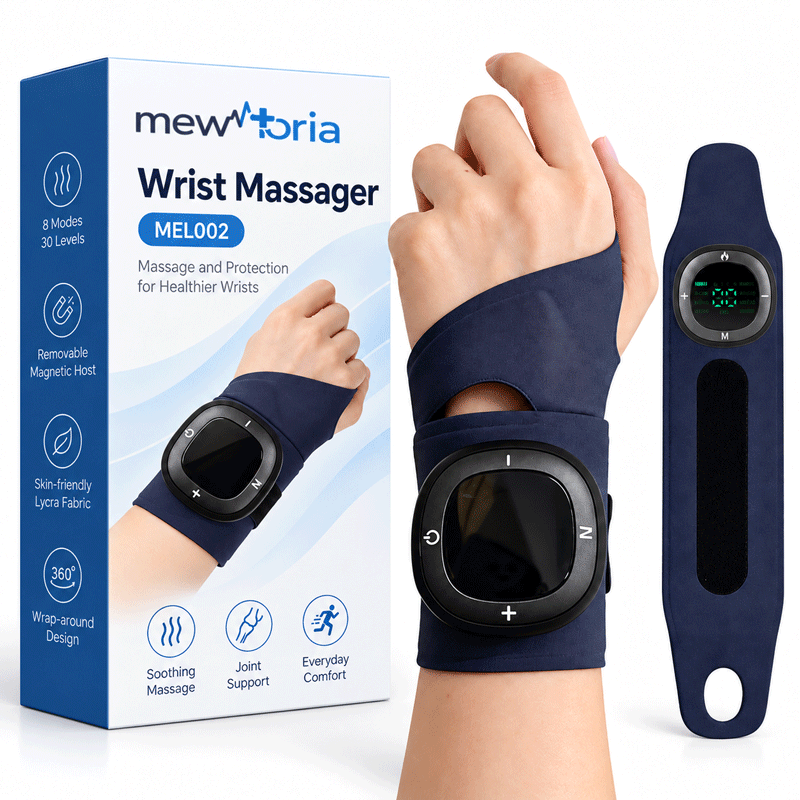
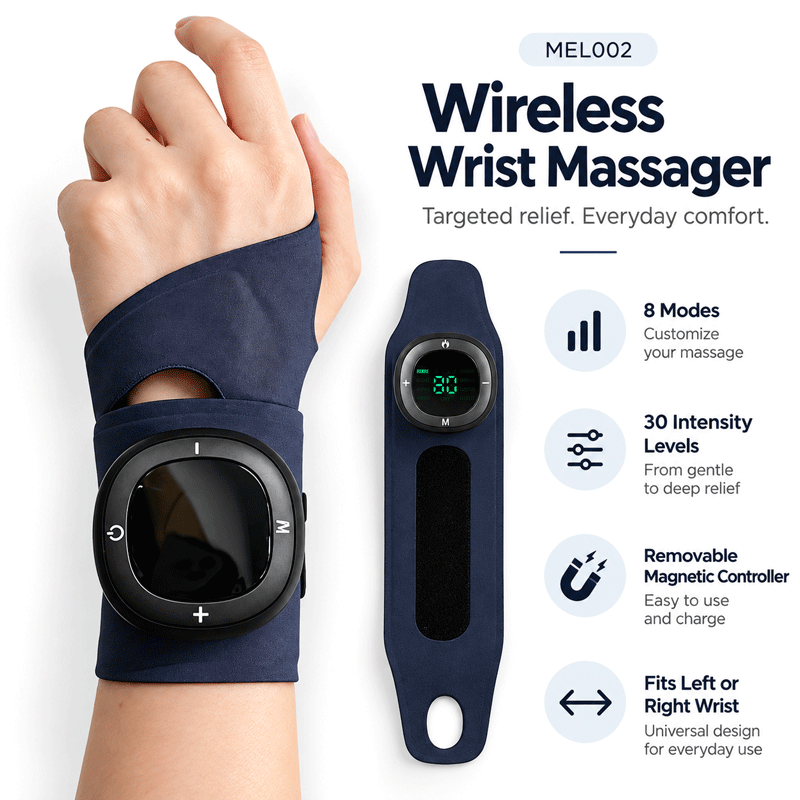
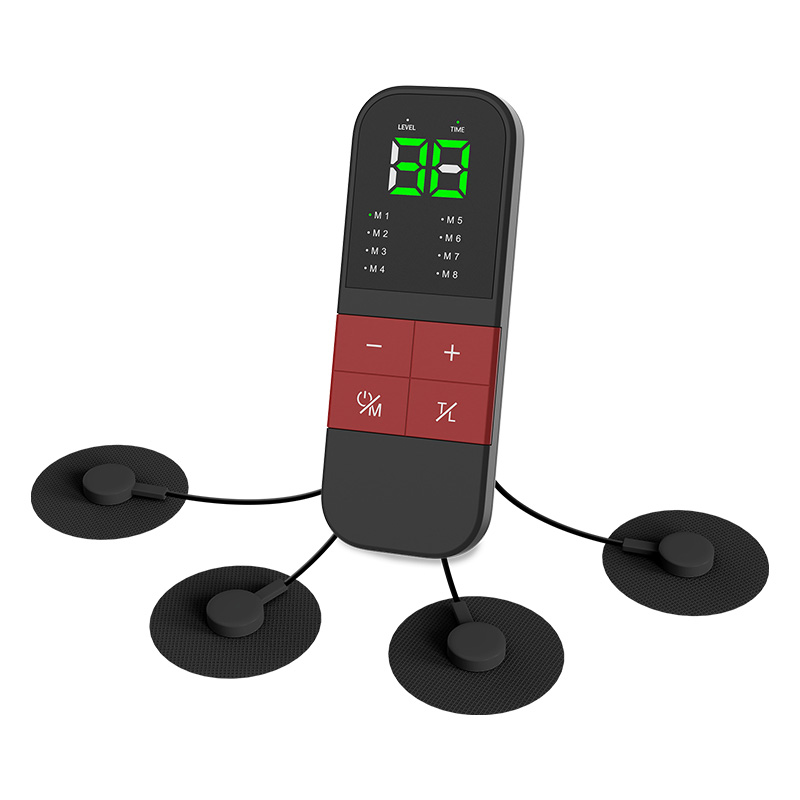
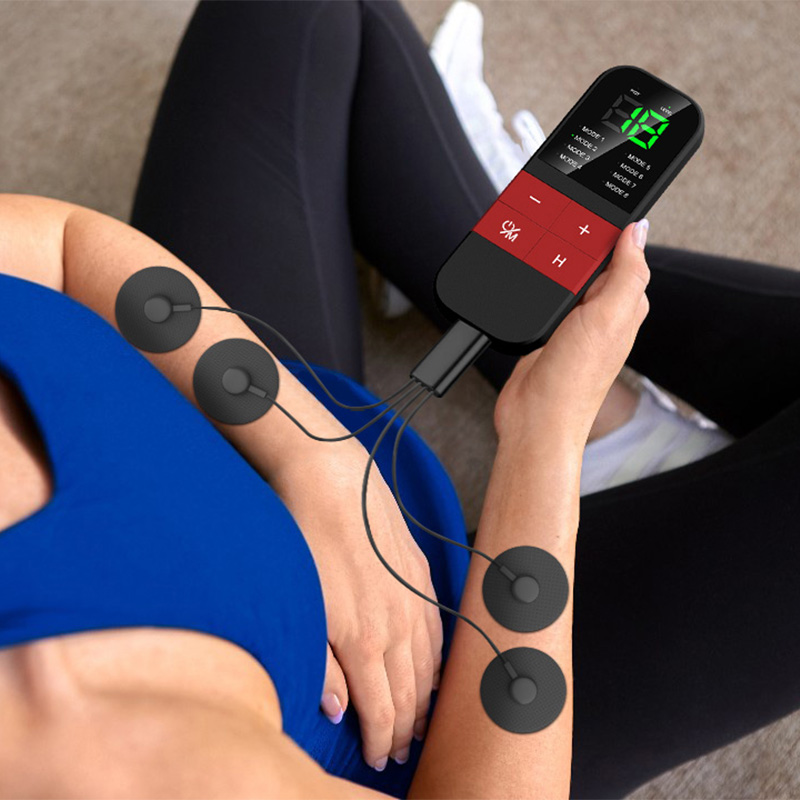
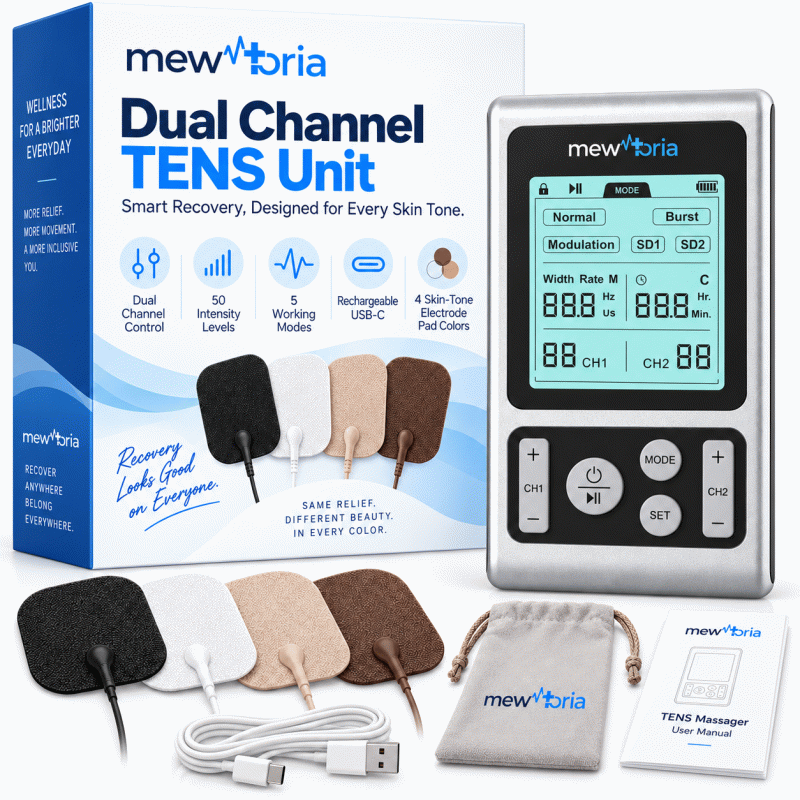
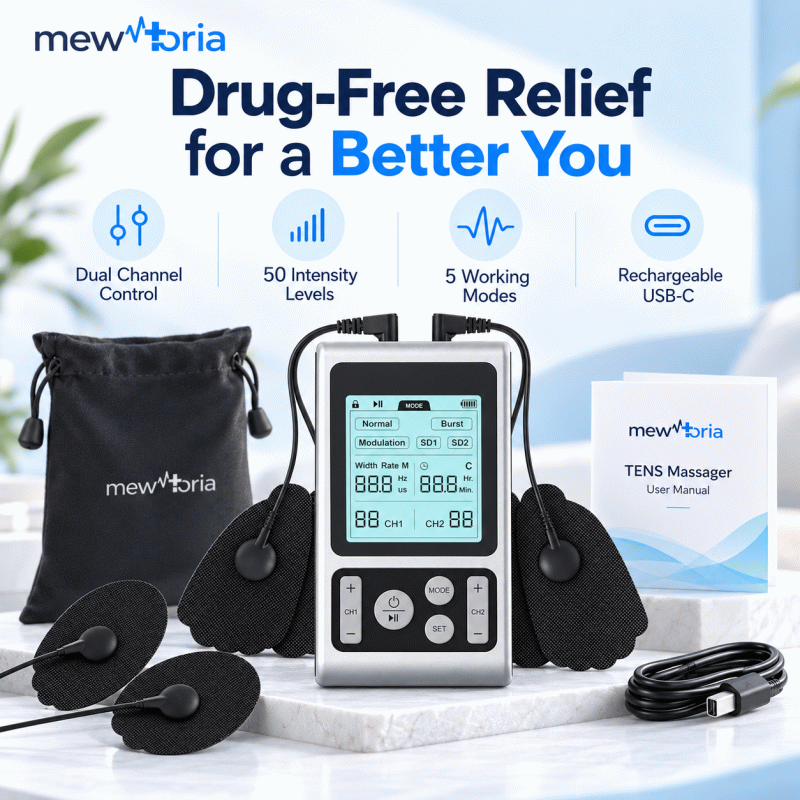
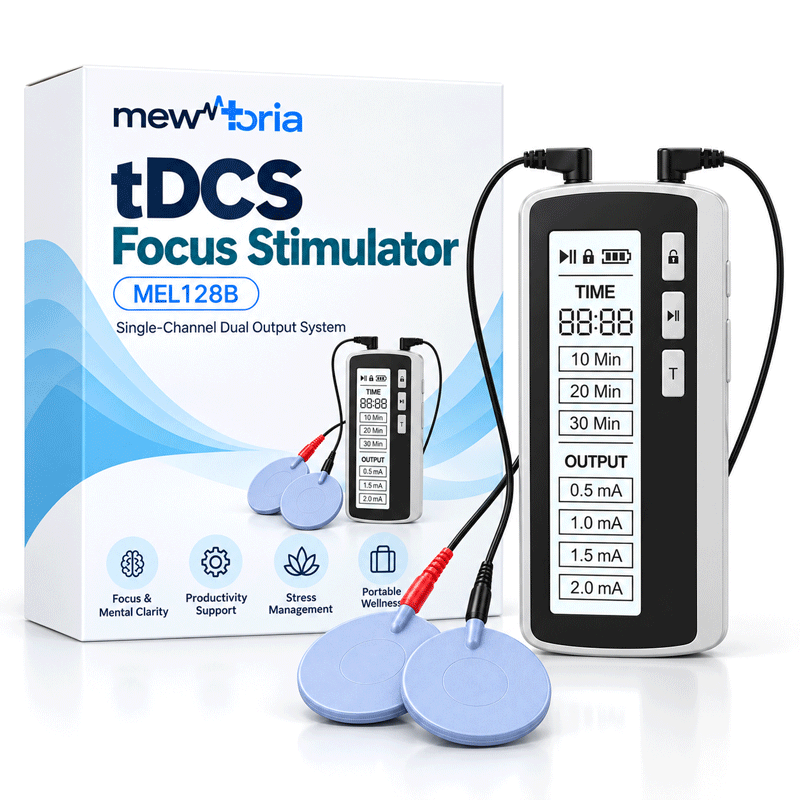
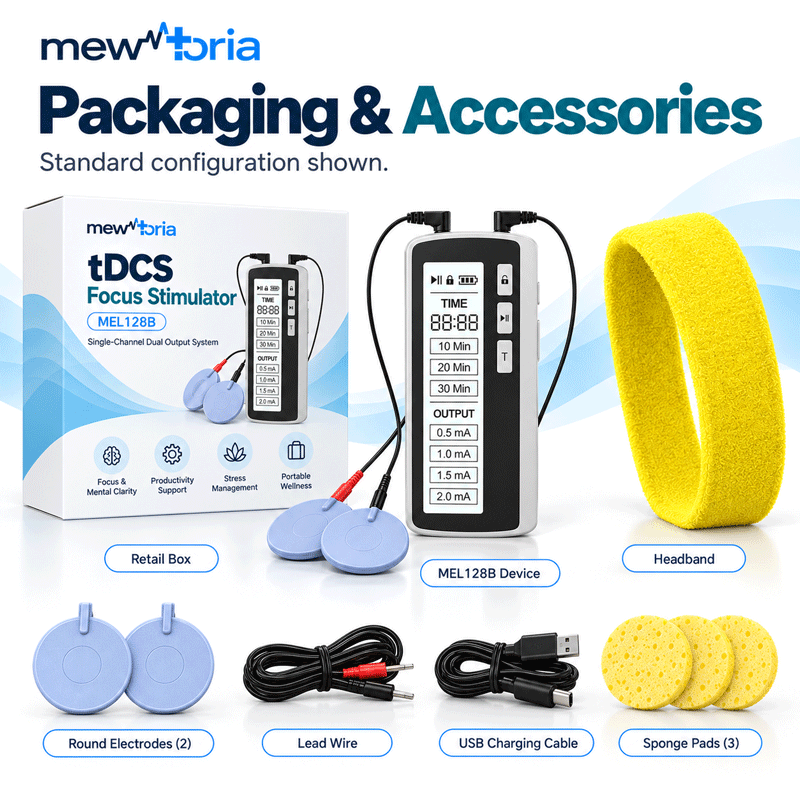
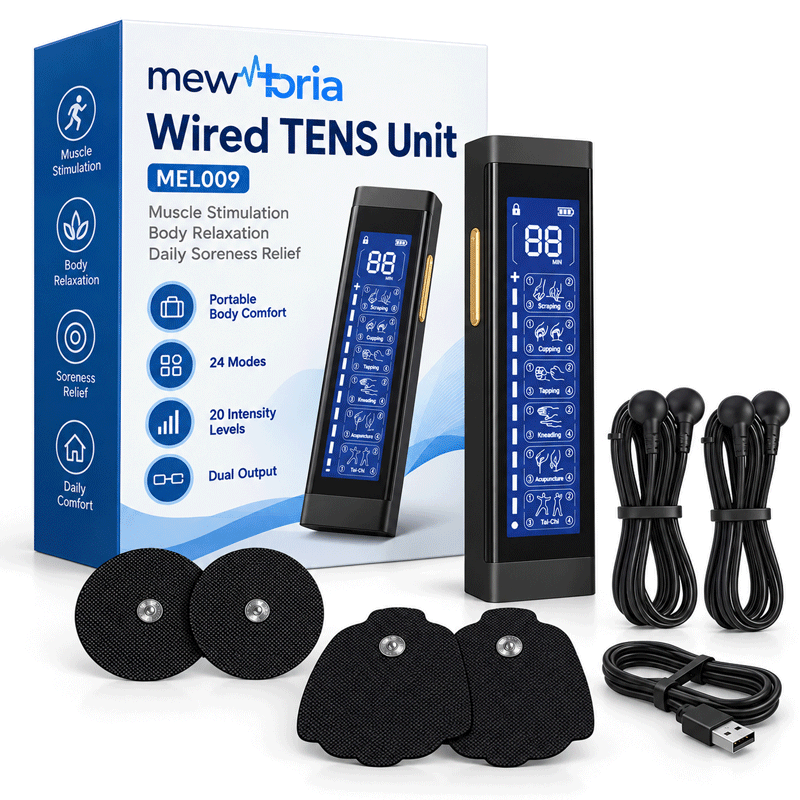
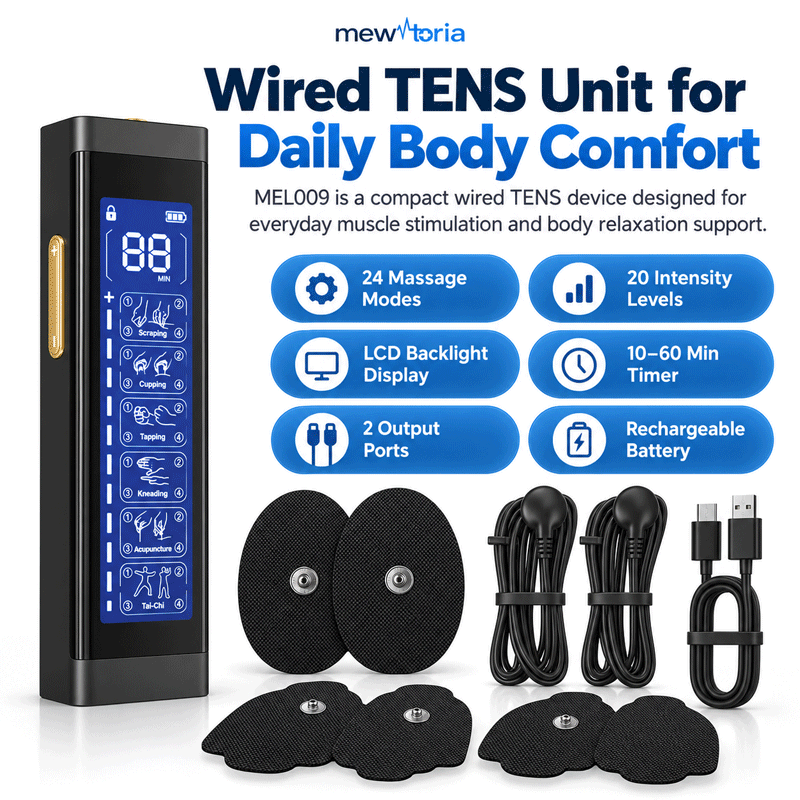
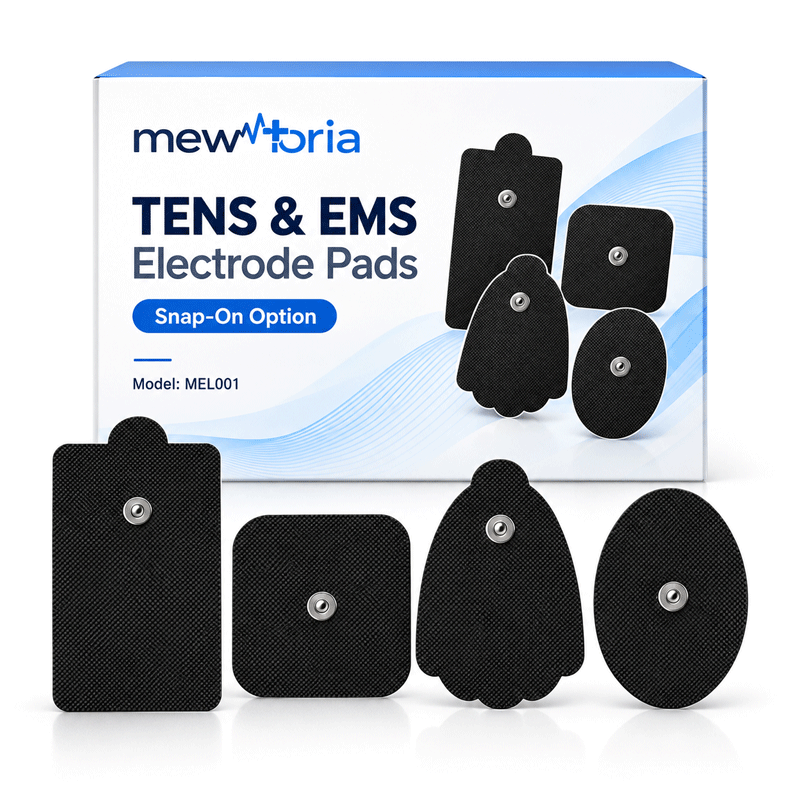
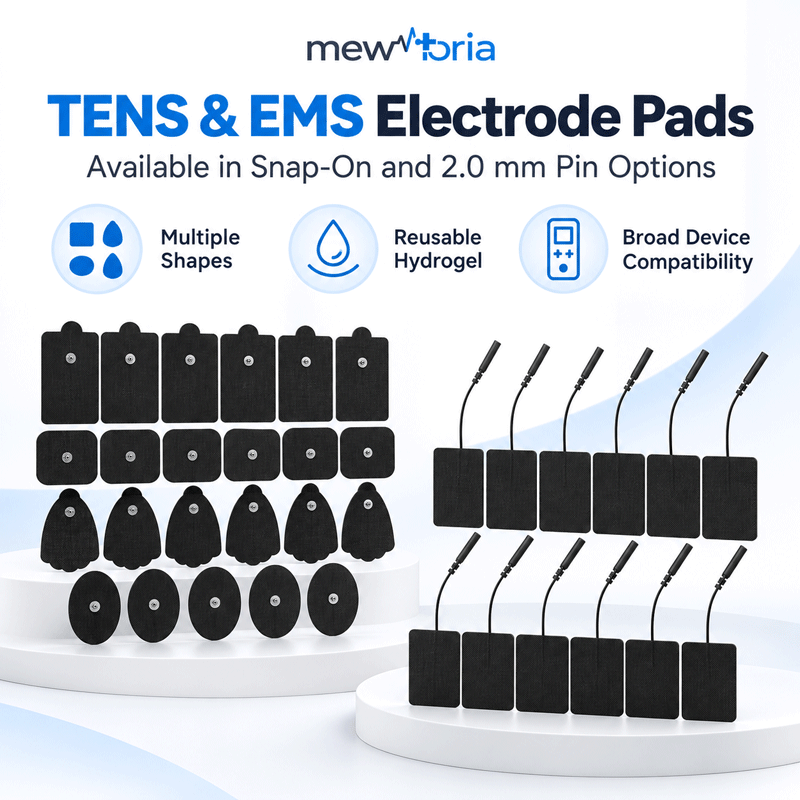
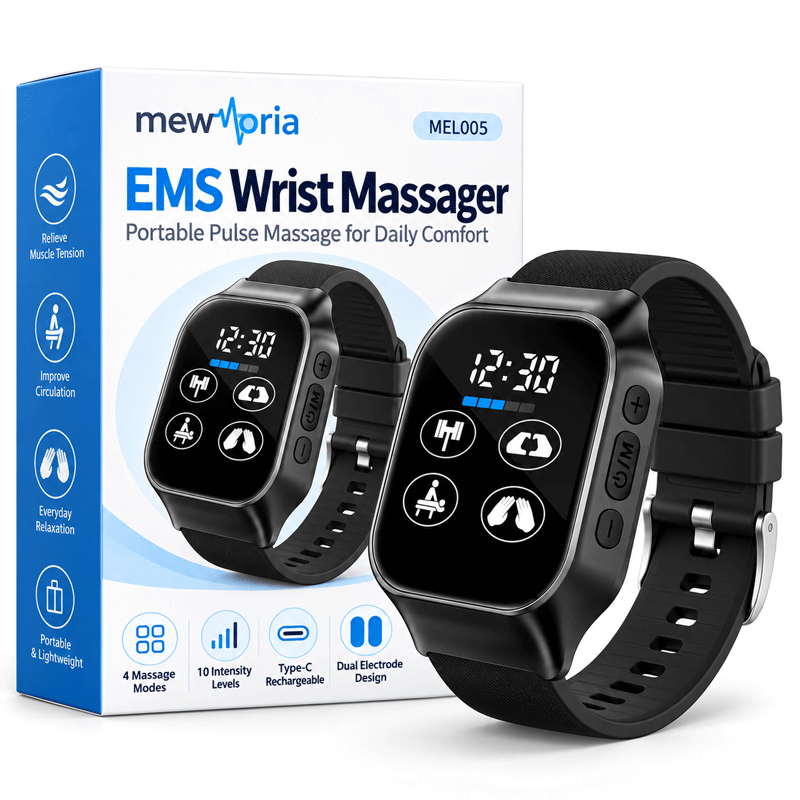
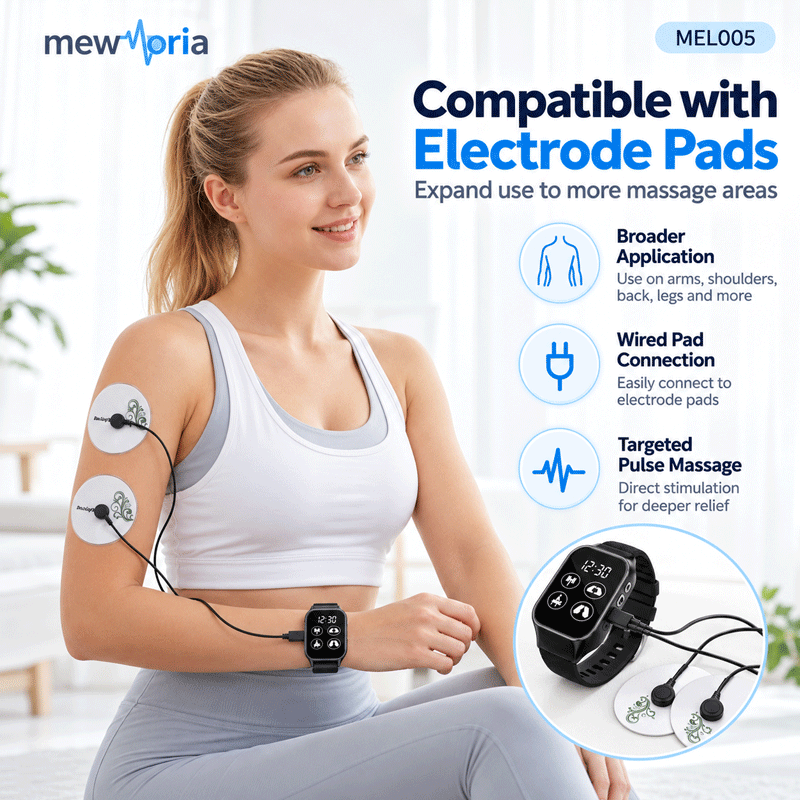
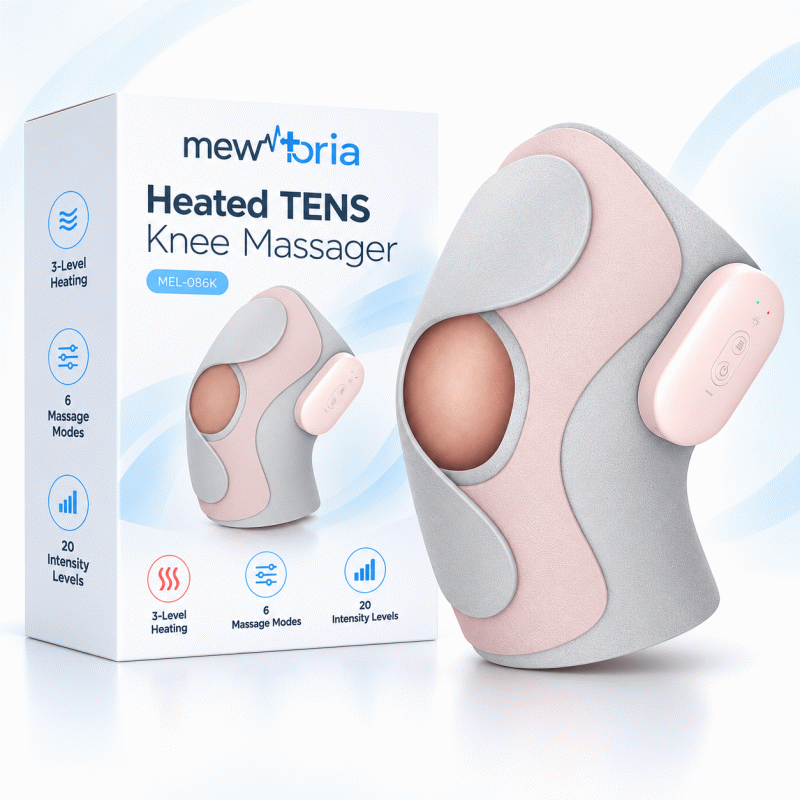
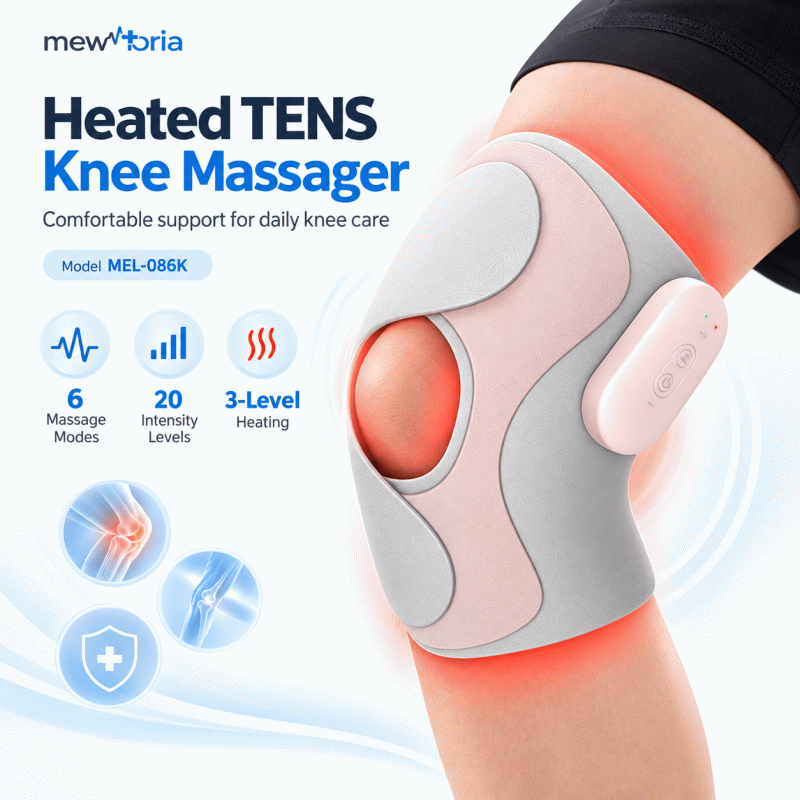
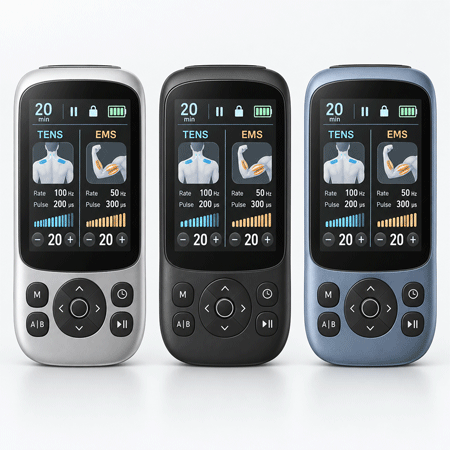
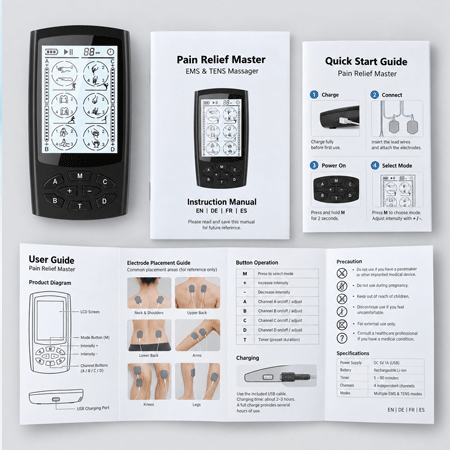
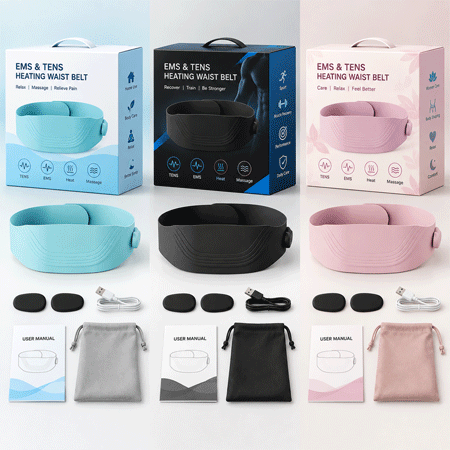
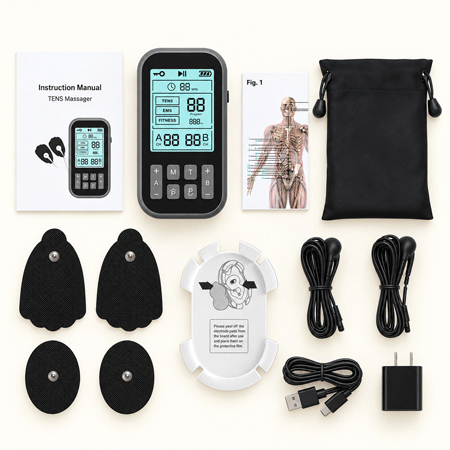
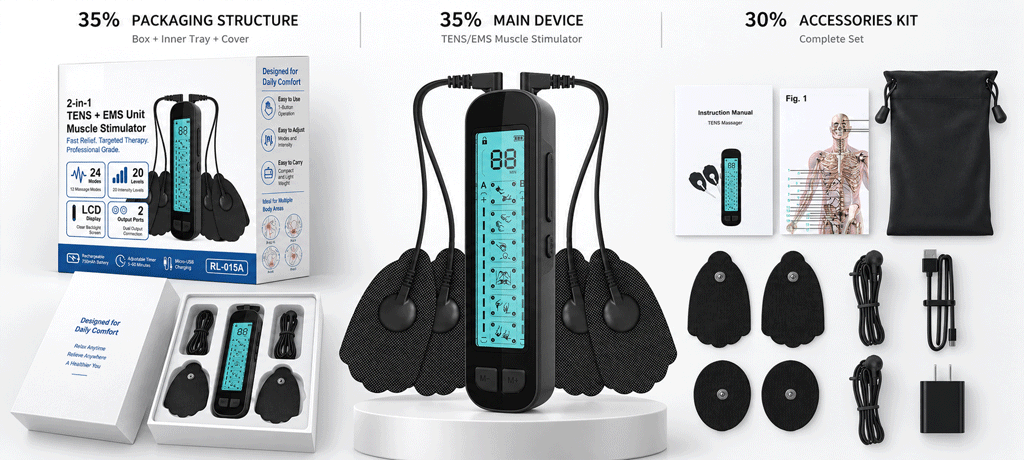
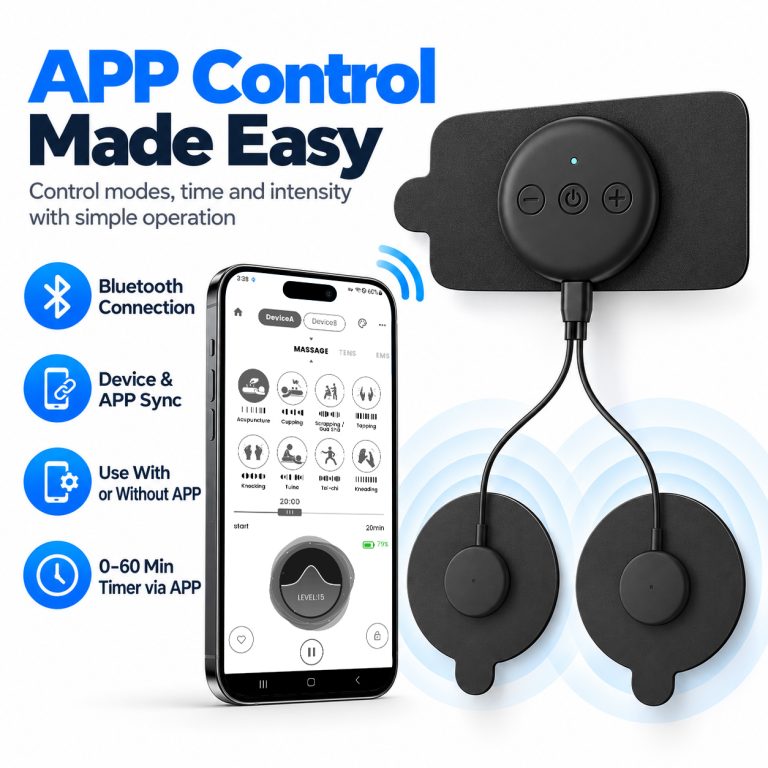
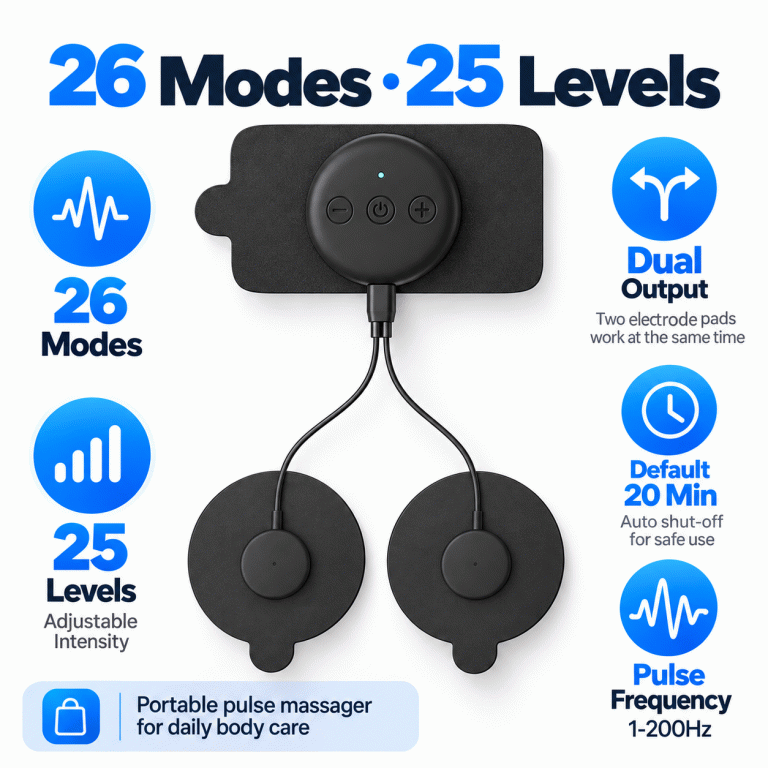
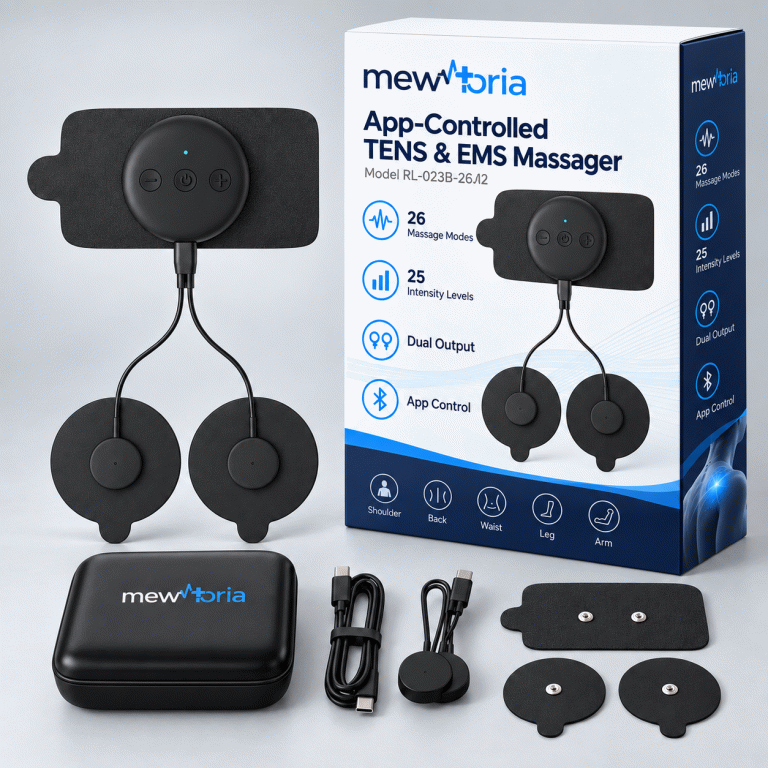
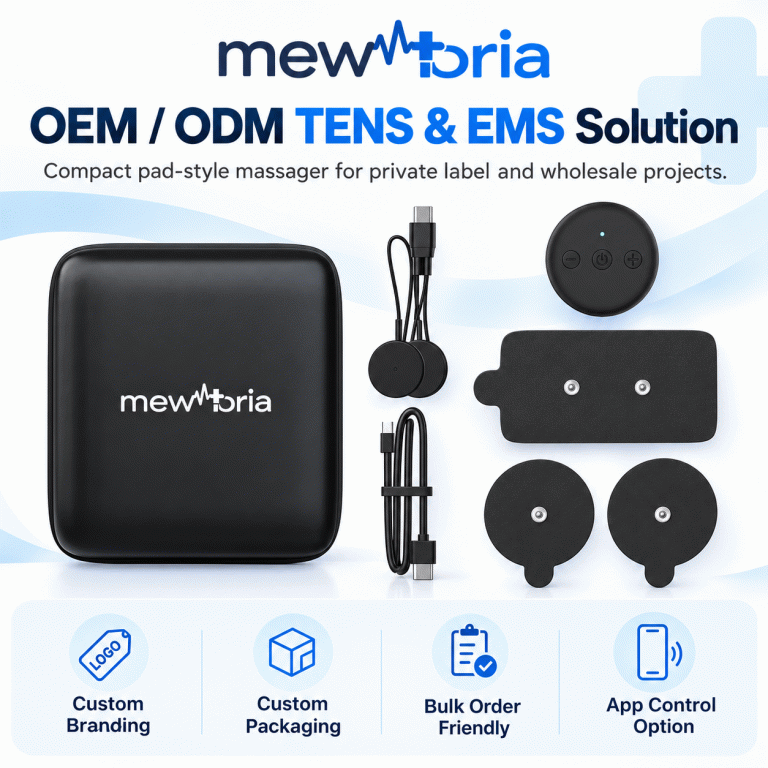
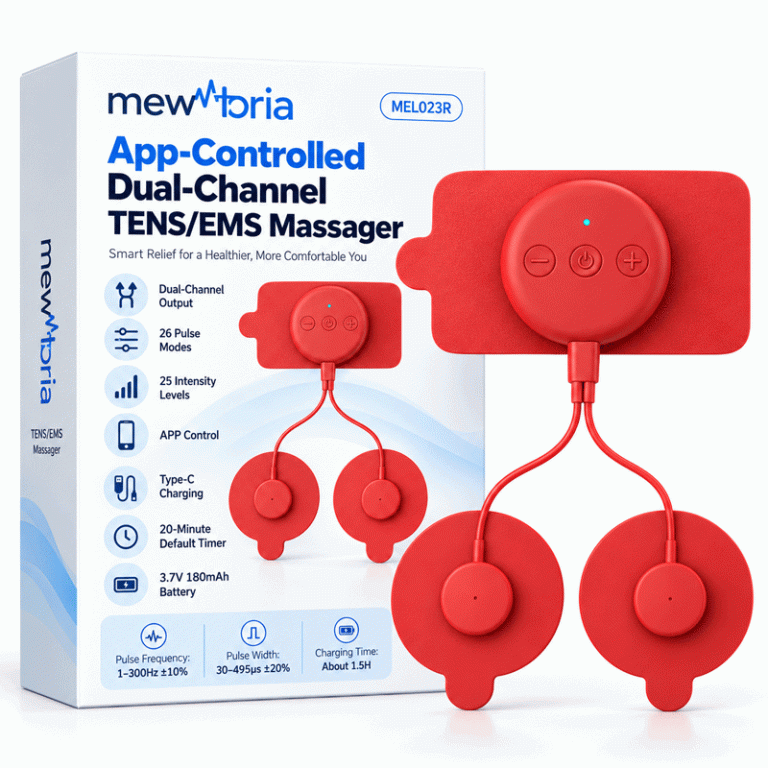
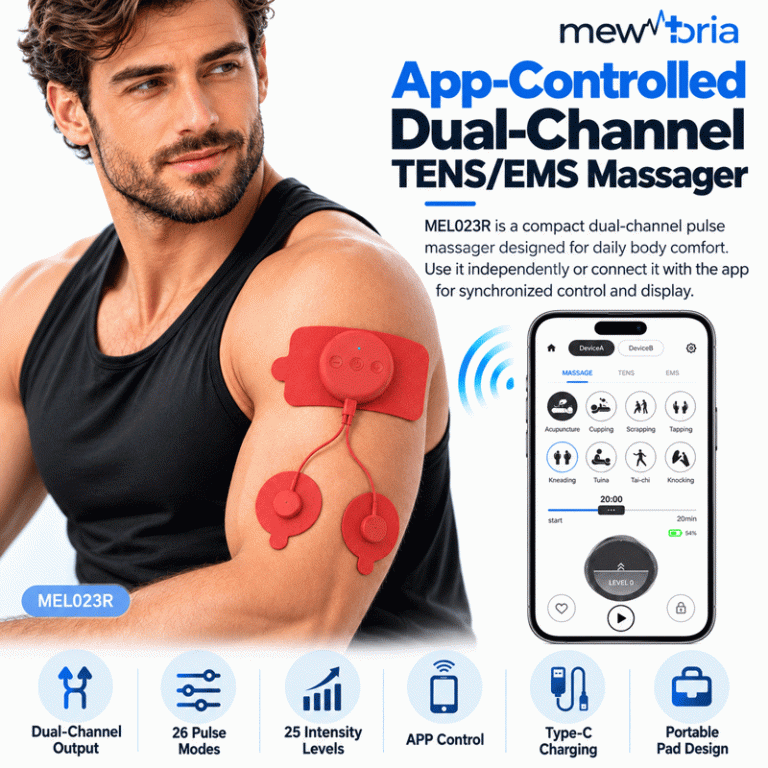
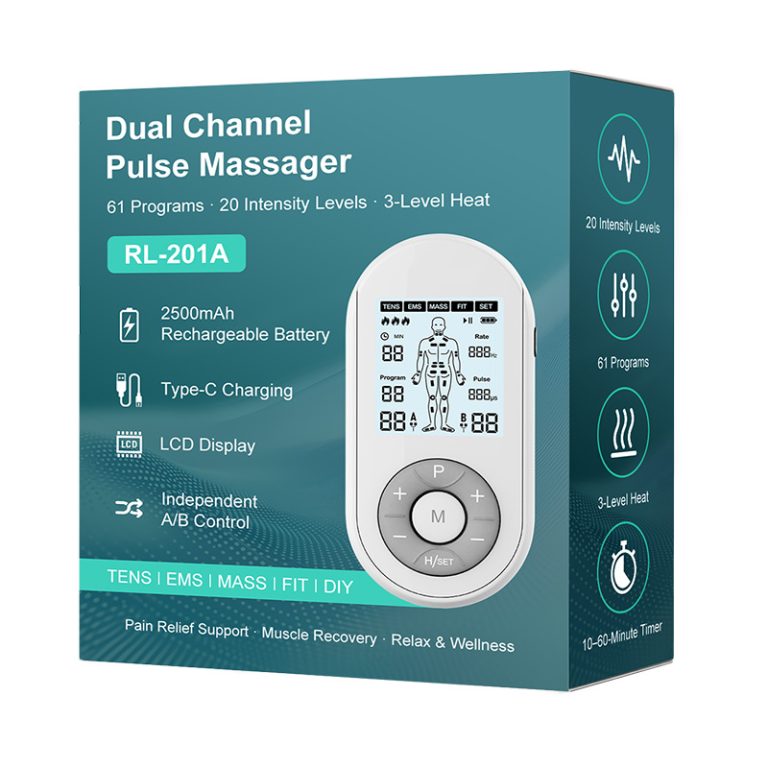
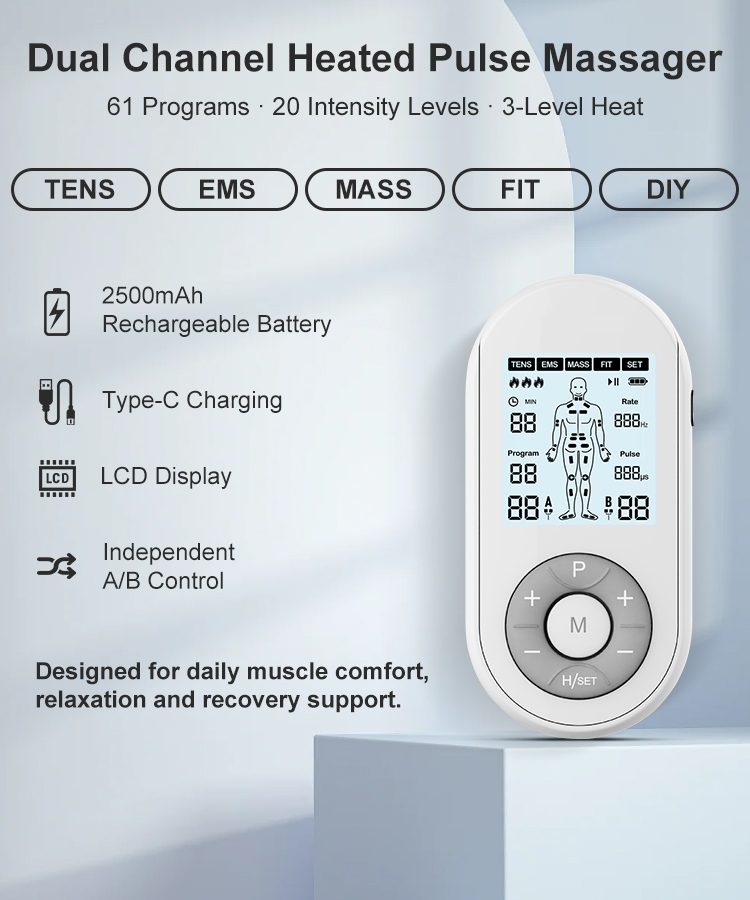
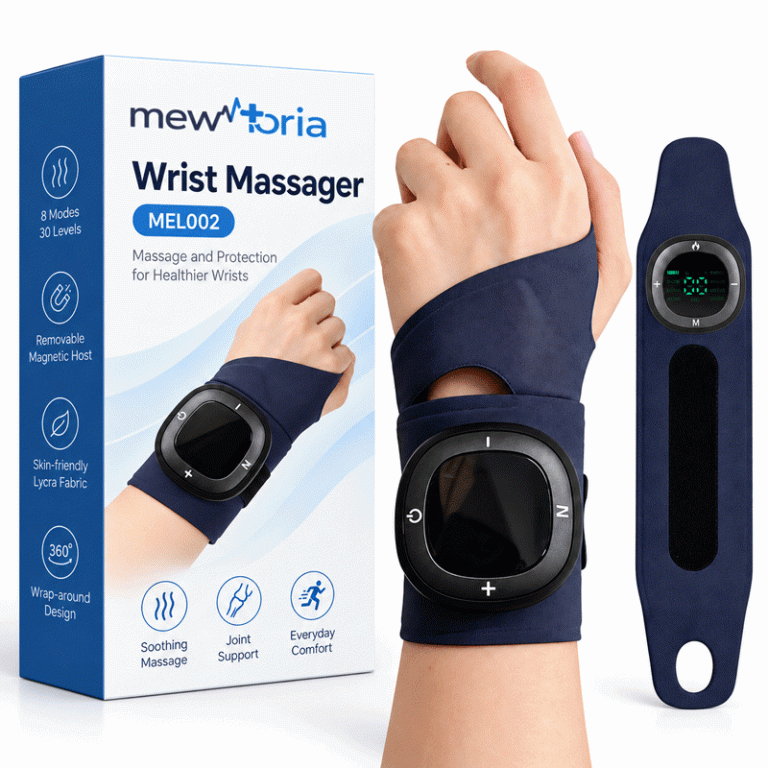
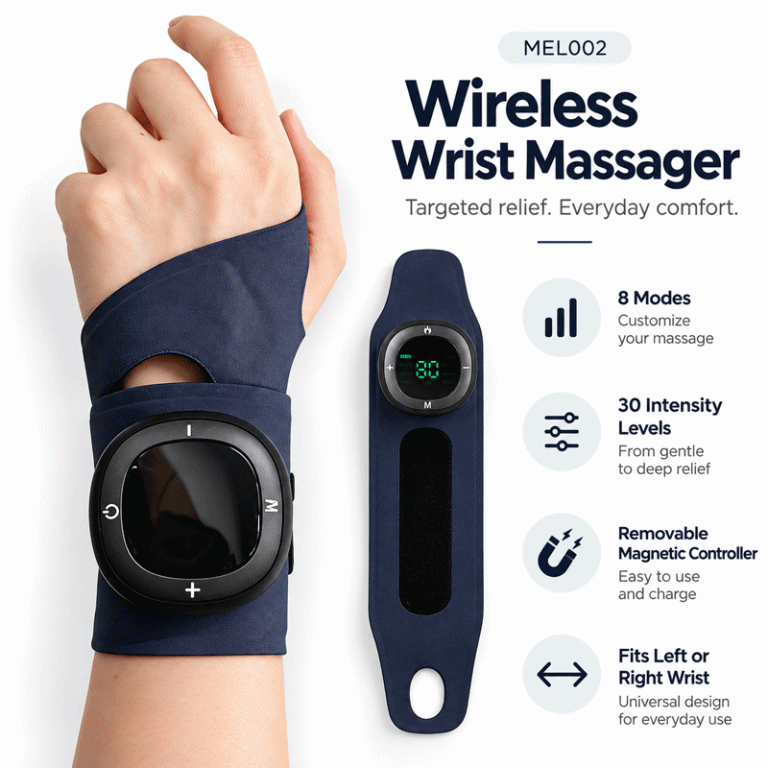
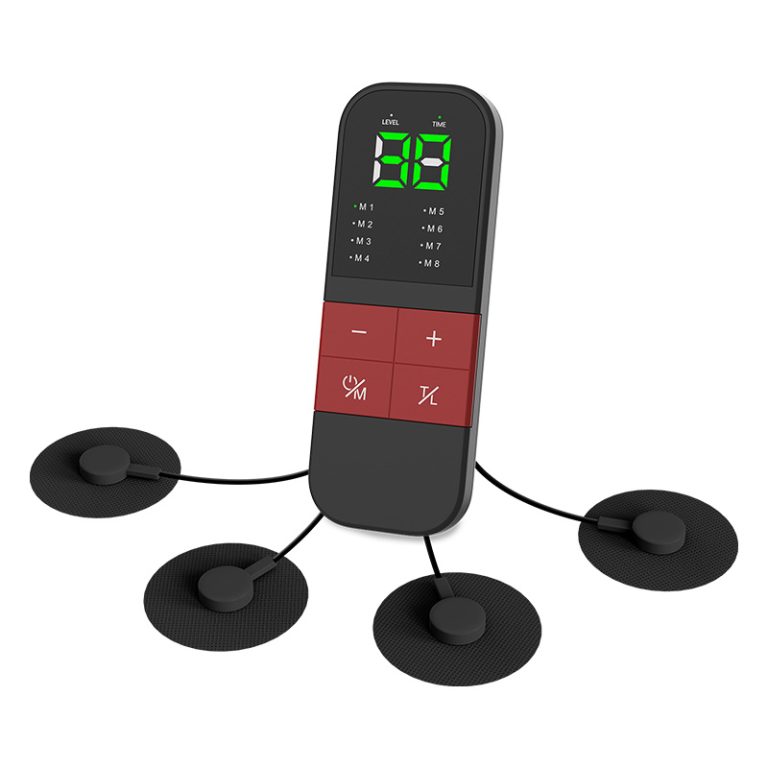
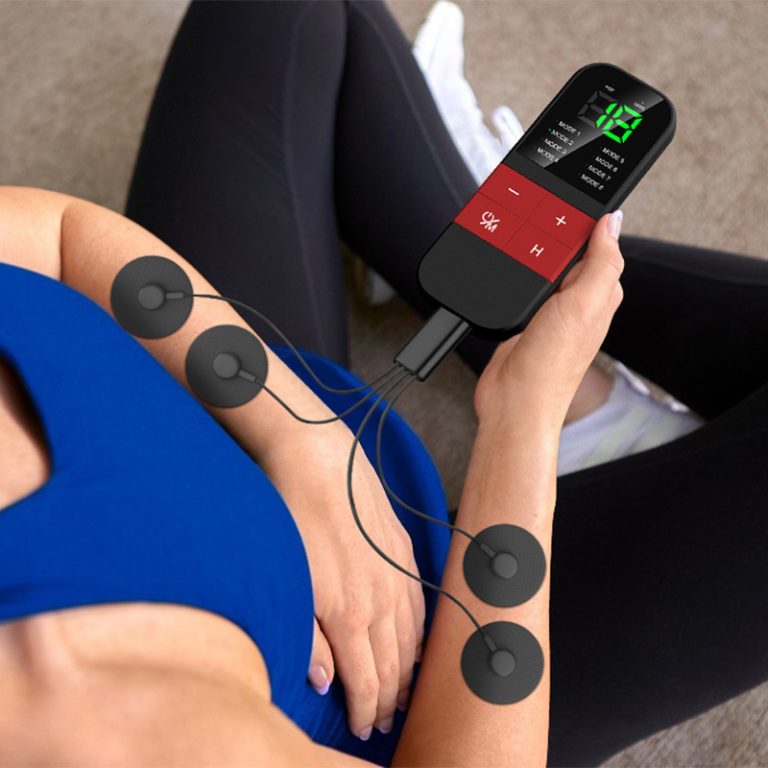
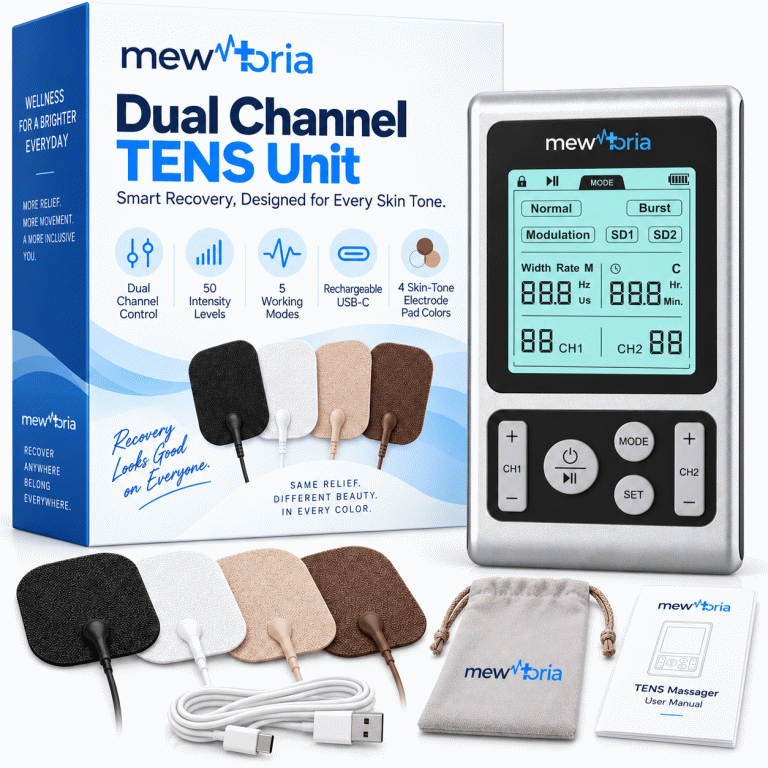
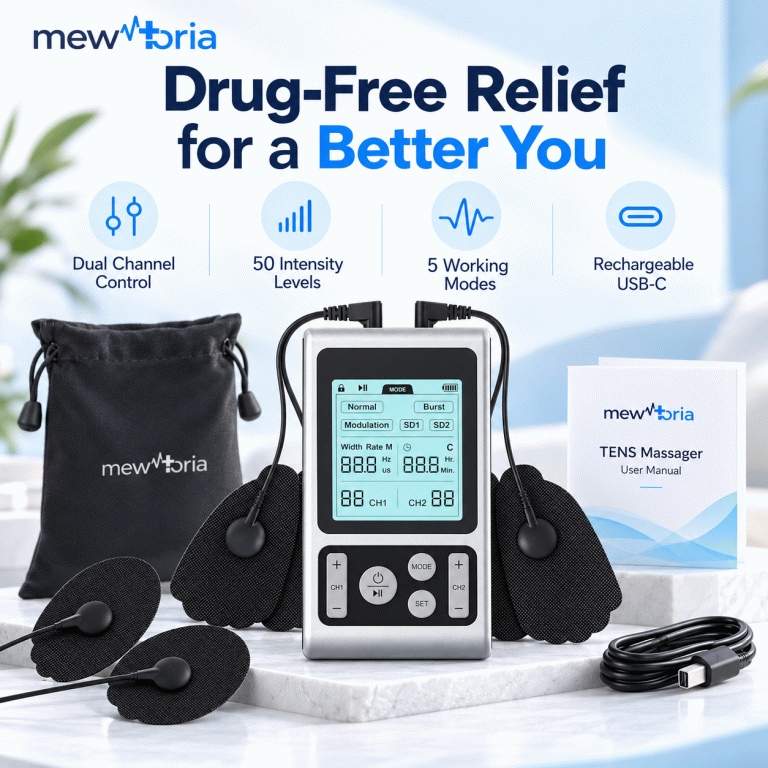
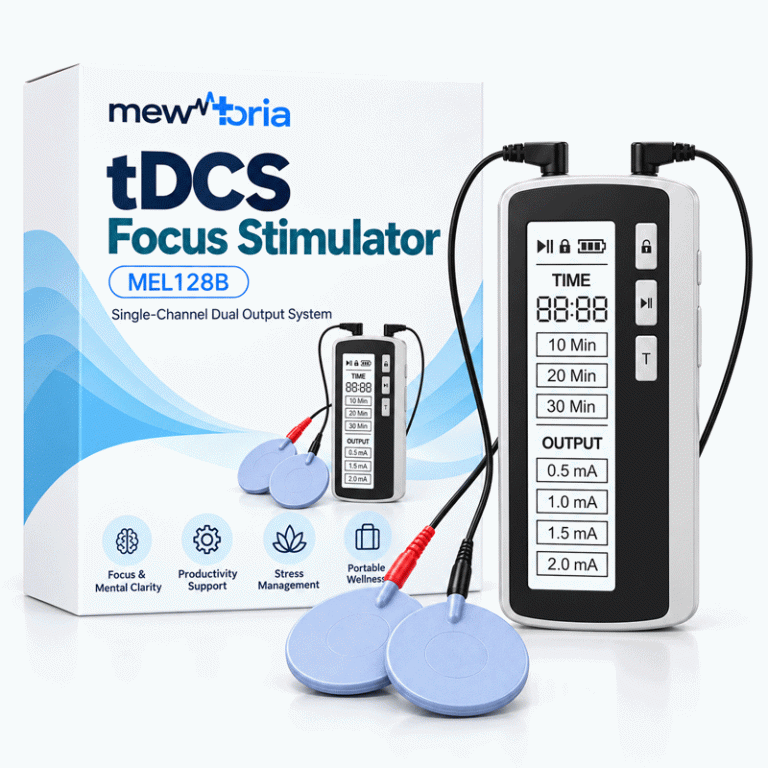
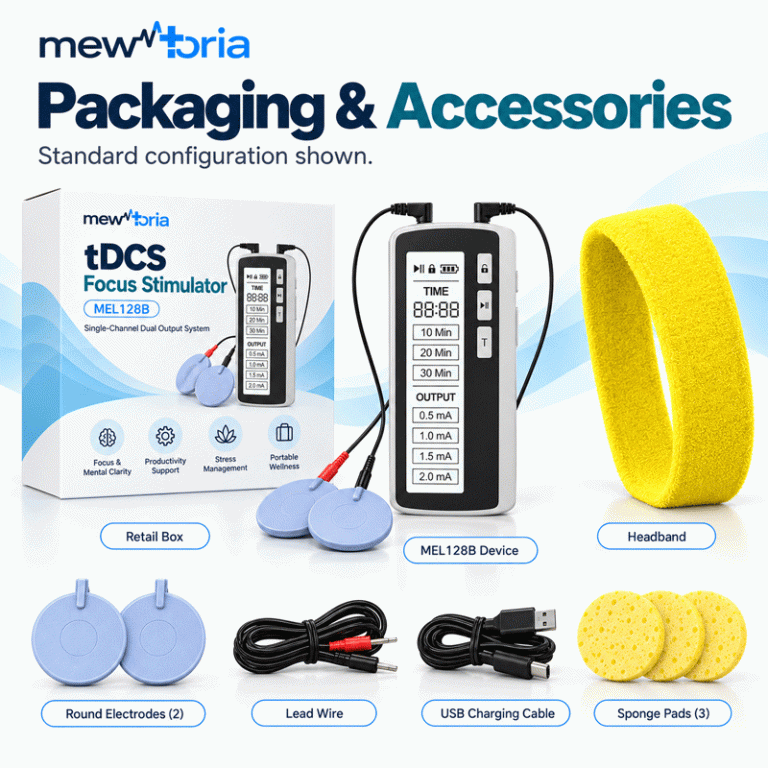
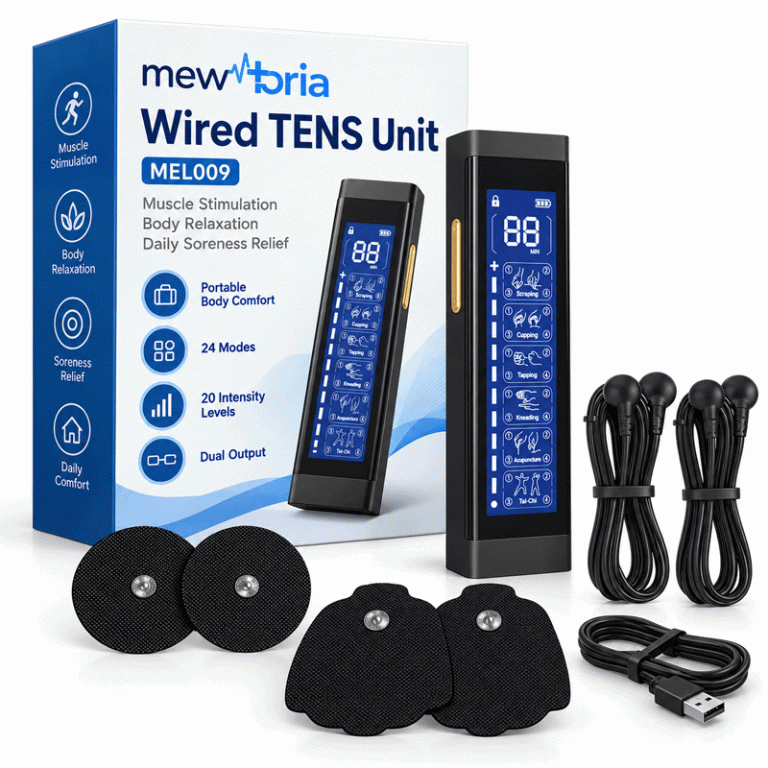
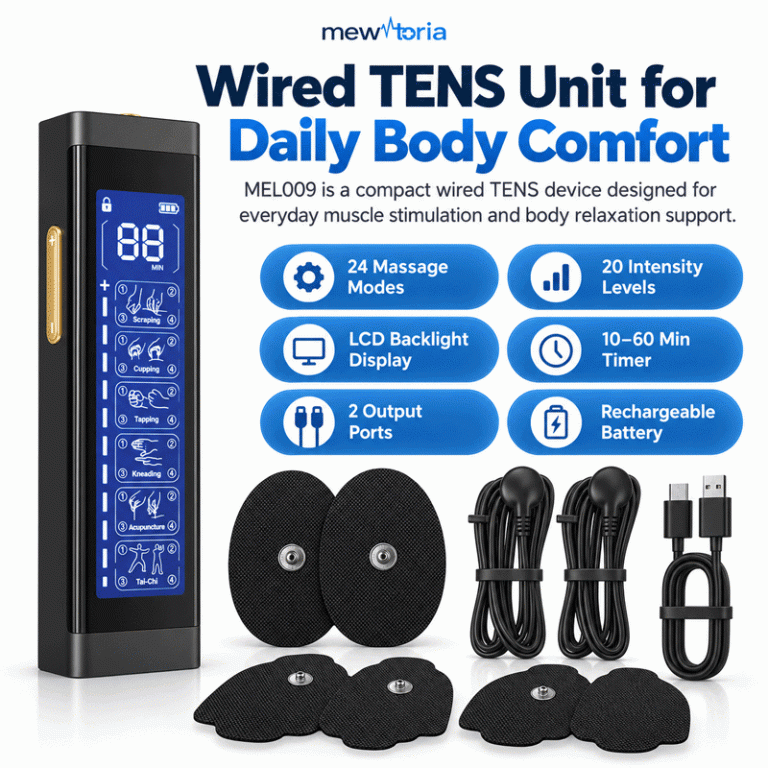
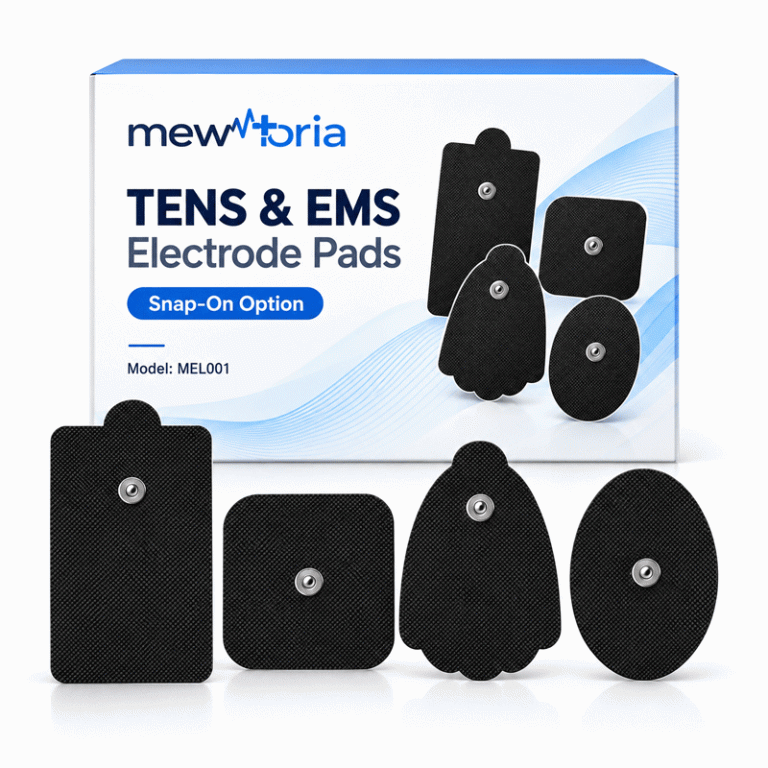
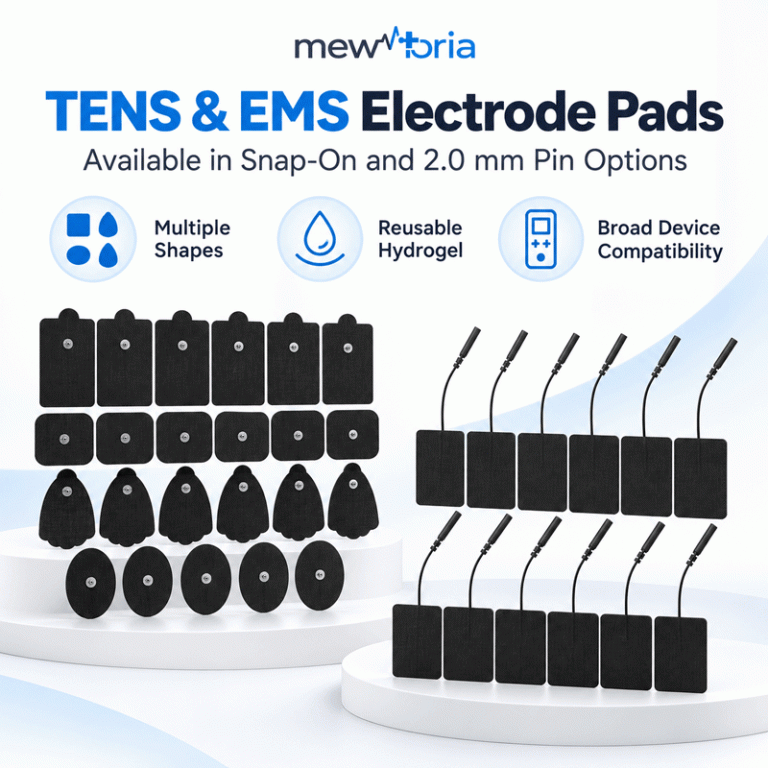
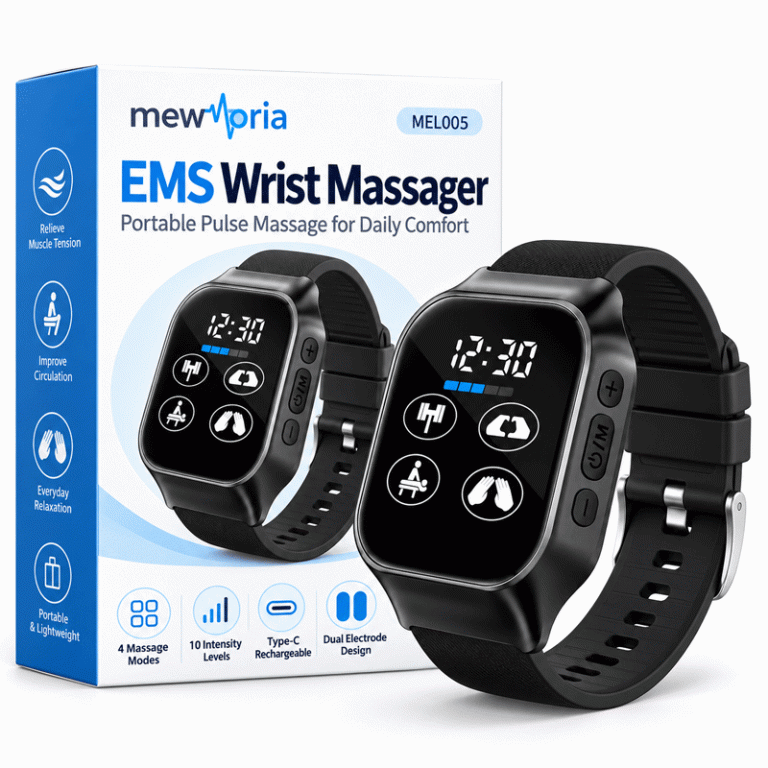
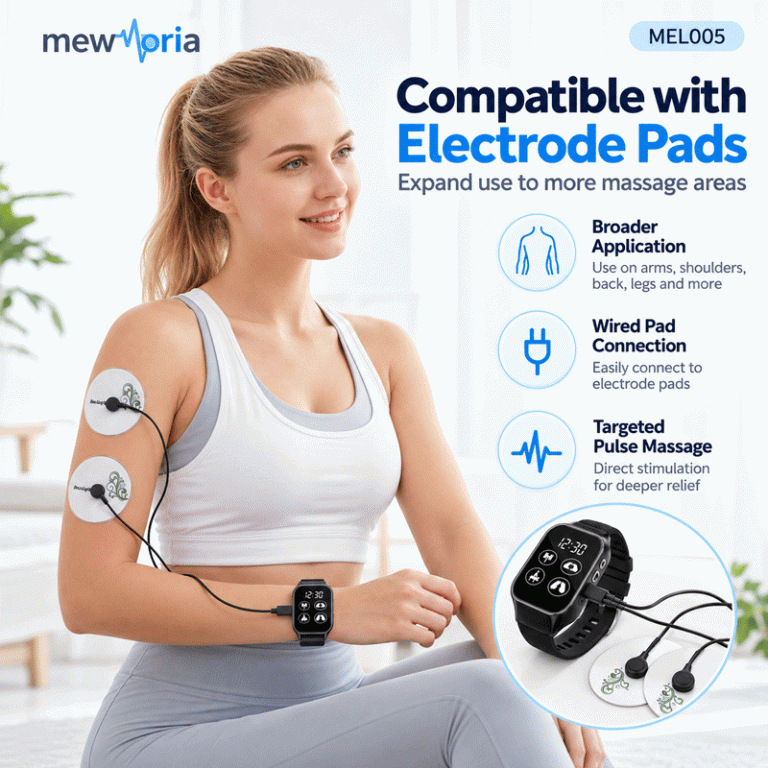
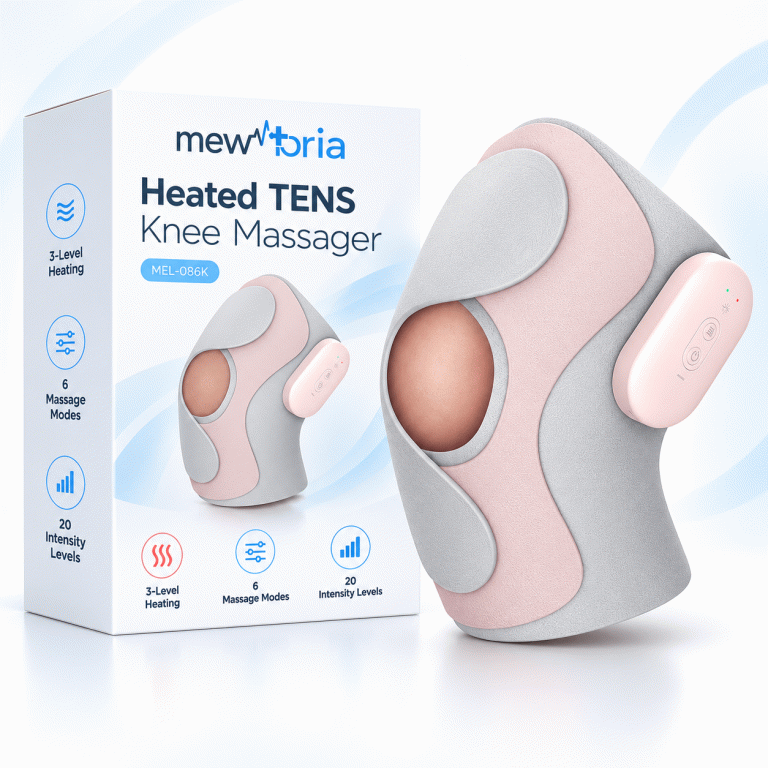
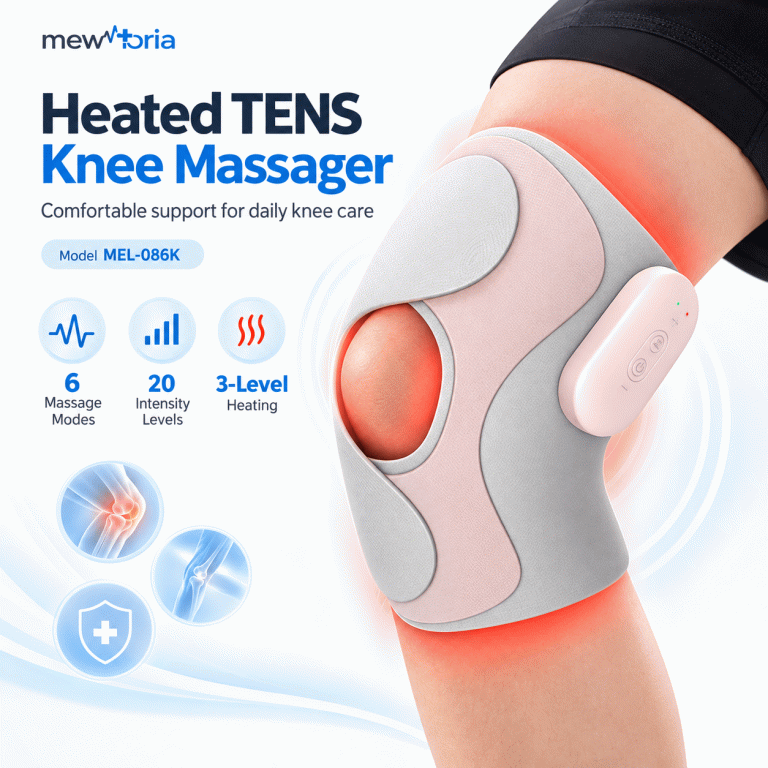
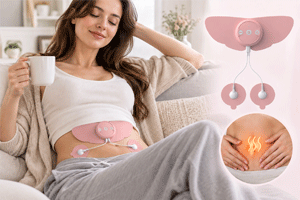
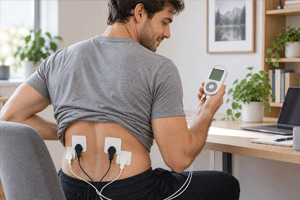
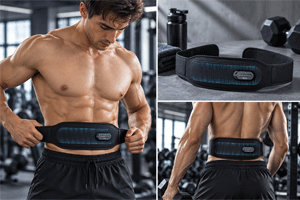
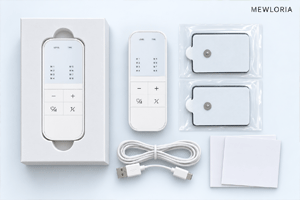
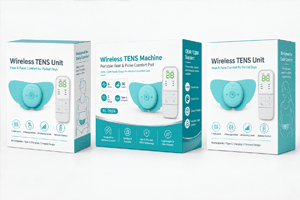
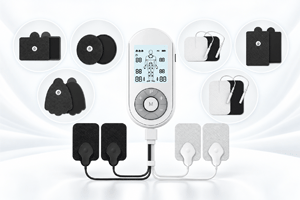
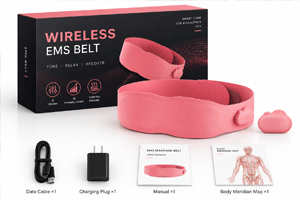
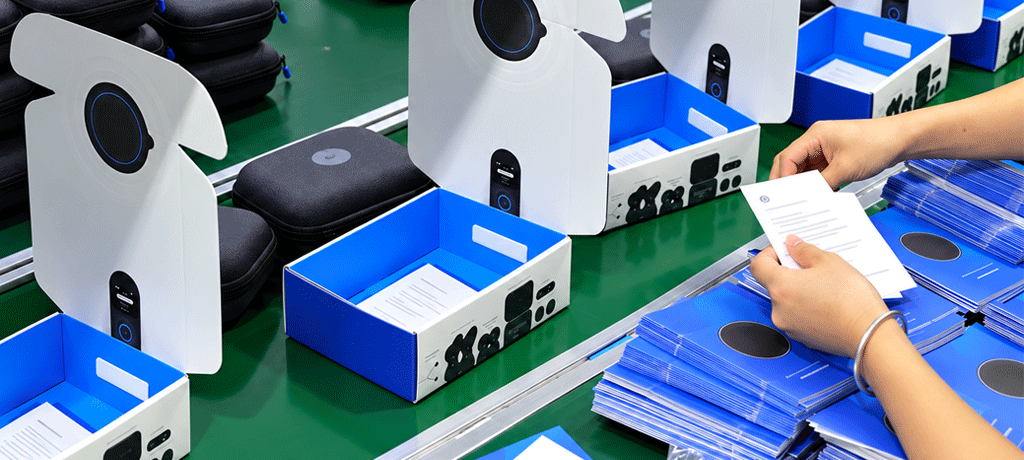
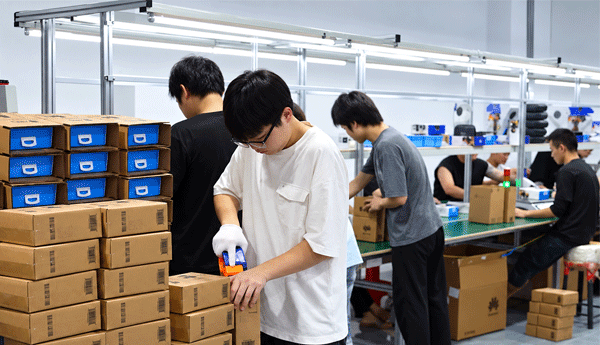



Private labeling a TENS or EMS device involves more than placing a logo on an existing product. For most B2B projects, the brand experience includes the device appearance, packaging structure, instruction manual, electrode pad packaging, accessories and product labeling.
The right level of customization depends on your target market, sales channel, order quantity and product positioning. An Amazon-focused brand may prioritize compact retail packaging and clear feature communication, while a distributor or pharmacy channel may require different labeling, multilingual instructions and packaging information.
Before artwork begins, it is better to define the complete product kit first — device, accessories, packaging and market requirements — so that all materials can be developed together.
Each TENS or EMS platform can be adapted to different private label projects. Depending on the selected model, order quantity and target market, customization may include device logo, housing color, retail packaging, instruction manuals, electrode pads, lead wires, carrying cases and complete product kit configuration. We recommend confirming the product and accessory combination first, then developing the packaging and branding around the final kit.
Customize box graphics, structure, inserts and internal arrangement around the device and accessory kit.
Configure electrode pads, lead wires, USB cables, remote controls, storage cases and other compatible accessories.
Add your logo to the device and adjust approved colors, surface graphics or button markings depending on the product platform.
Develop branded manuals with operating instructions, precautions, diagrams and required market information.
Packaging should be planned after the product configuration is confirmed. A basic TENS unit with electrode pads and lead wires needs a different internal structure from a wireless model supplied with a remote control, charging cable and carrying case.
For private label projects, we normally recommend confirming the complete BOM and accessory arrangement before finalizing the box dimensions. This helps reduce empty space, prevents accessories from moving during transport and avoids redesigning the packaging later.
Packaging can range from a simple folding carton for value-focused programs to more structured presentation boxes for premium retail or e-commerce products.
White, grey and restrained blue tones with clear product information and a more technical presentation.
Cleaner lifestyle-oriented graphics, simplified product benefits and easier-to-understand packaging hierarchy.
Softer color systems and more discreet product presentation without making unsupported medical claims.
Stronger visual contrast and a performance-oriented presentation suitable for active lifestyle positioning.
Good packaging should help customers understand what they are buying. For a private label TENS or EMS kit, make the device type, included accessories and key functions easy to identify. Keep the box, instruction manual and online product listing consistent, so buyers know what to expect before opening the package.
Start with the exact TENS or EMS model and the country where it will be sold. These details help determine the labeling information and language versions needed for the device, box and instructions.
Check the product name, model reference, applicable manufacturer or operator details, and required warnings. Allow space for identifiers and symbols where applicable, and make sure the text remains readable at the final print size.
Keep product claims consistent with the device’s documented intended use. A new logo, color scheme or wellness message should not introduce benefits that the product documentation does not support.
Review a Physical Sample
Check the packaging with the actual device and accessories in place. Each item should fit securely and be easy to remove.
Review the printed text, model details and instruction layout at actual size. A digital mockup alone cannot confirm fit or readability.
Planning a private label TENS or EMS kit? Share your target market, preferred model, accessory list and brand artwork. Include any language or retailer packaging requirements in the brief. These details provide a practical starting point for discussing the box structure, printed materials and sample review.
Packaging should be reviewed as part of the product, not as a final decoration step. Before mass production, we recommend confirming the device model, included accessories, logo size, print colors, label information and language version together. A packaging sample or pre-production review helps identify problems such as unreadable text, incorrect accessory descriptions or inconsistent branding before larger quantities are produced.
The right packaging depends on how and where the product will be sold. A compact e-commerce kit may prioritize shipping efficiency and clear product information, while retail packaging needs stronger shelf presentation and easy-to-read selling points. Distributor and clinic projects may place more emphasis on multilingual instructions, accessory organization and consistent model identification. Defining the target market early helps avoid unnecessary packaging cost and redesign work later.
Before Artwork Approval
Confirm the final device model and accessory list.
Check logo size, placement and brand colors.
Review product names, warnings and label information.
Confirm barcode, language and manual requirements.
Approve a physical or pre-production sample before mass production.
No account yet?
Create an Account