Buyer Resources

Planning an OEM TENS/EMS Project: MOQ, Lead Time, Specifications & RFQ Checklist

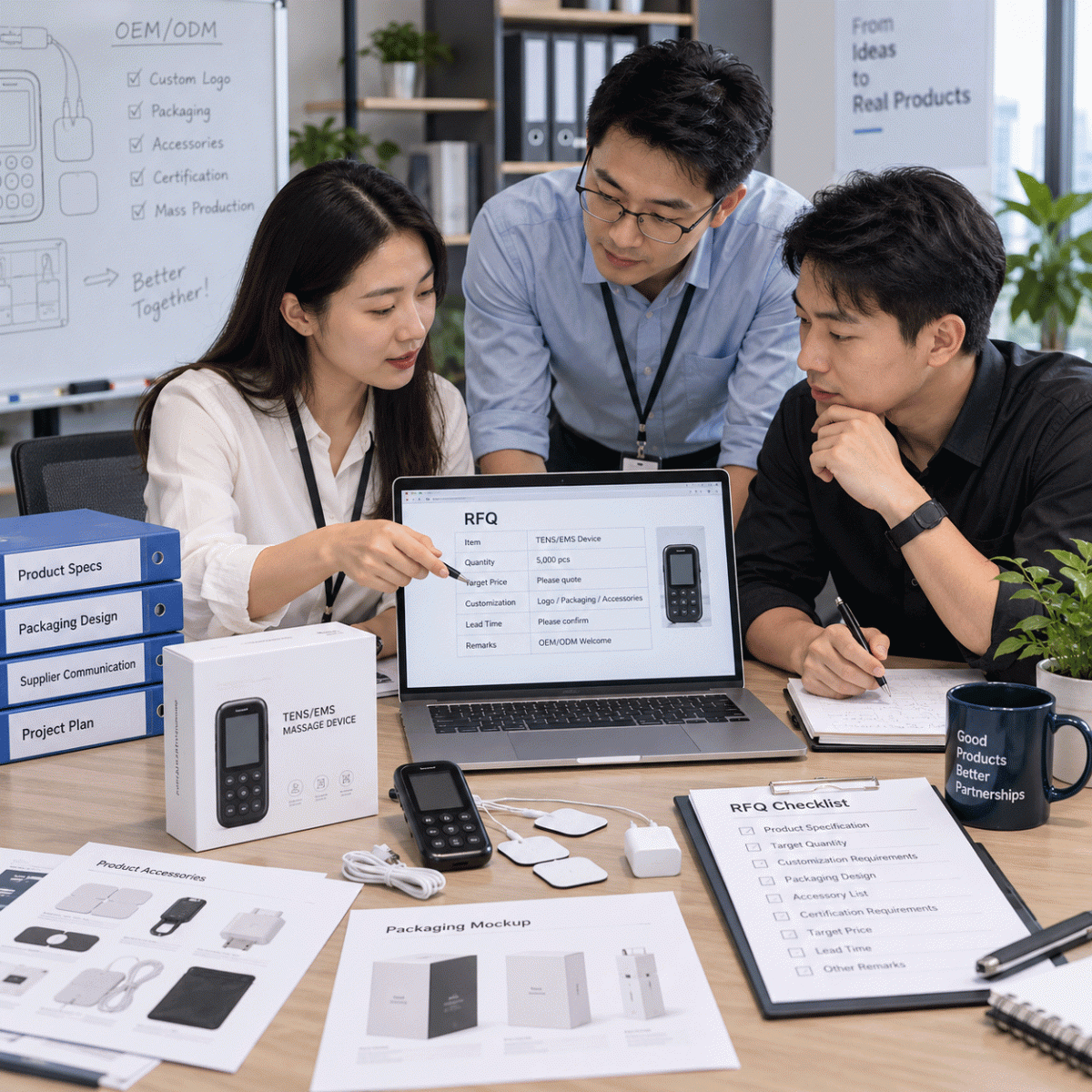
Planning an OEM TENS/EMS project involves more than choosing a device style. Before asking for a quotation, buyers should define expected order quantity, target launch timing, key product specifications, packaging requirements, and any compliance needs for their market. Clear planning at the beginning helps reduce delays, miscommunication, and unnecessary cost changes later.

Whether you are sourcing a wireless TENS unit, an EMS muscle stimulator, or a private label pain relief device, a well-prepared RFQ makes communication with the factory faster and more accurate. This guide explains the key points buyers should confirm before moving from idea to sample approval and mass production.

Why Planning Matters Before You Send an RFQ

Many OEM projects slow down because buyers request pricing before the core project details are clearly defined. Suppliers can only give useful recommendations when they understand your product direction, customization scope, target market, and expected order volume. Better planning at the start usually means a faster quotation process and fewer revisions during sampling.

Before contacting a supplier, buyers should ideally prepare three essentials: an estimated quantity, a target timeline, and a clear product brief. Once these basics are available, the manufacturer can advise on feasible MOQ, suitable model platforms, packaging options, and realistic production scheduling.

MOQ and Lead Time: The First Two Questions to Clarify

For most OEM buyers, minimum order quantity and lead time are the first two factors that affect purchasing decisions. However, both depend heavily on the level of customization. A standard private label project is usually easier to launch than a fully customized design, so buyers should confirm the project scope early.

MOQ Depends on the Customization Level

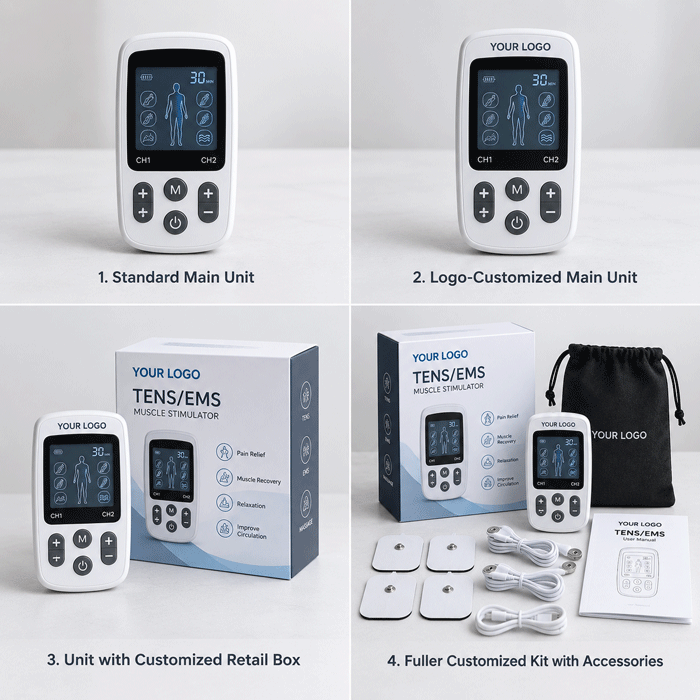
MOQ is not the same for every TENS/EMS project. A standard model with logo printing and simple packaging may support a lower MOQ, while custom housing colors, private mold development, accessory bundles, or retail gift box packaging may increase the minimum quantity. Buyers should clarify whether the project is based on an existing model or a deeper OEM/ODM request.

Lead Time Includes More Than Mass Production

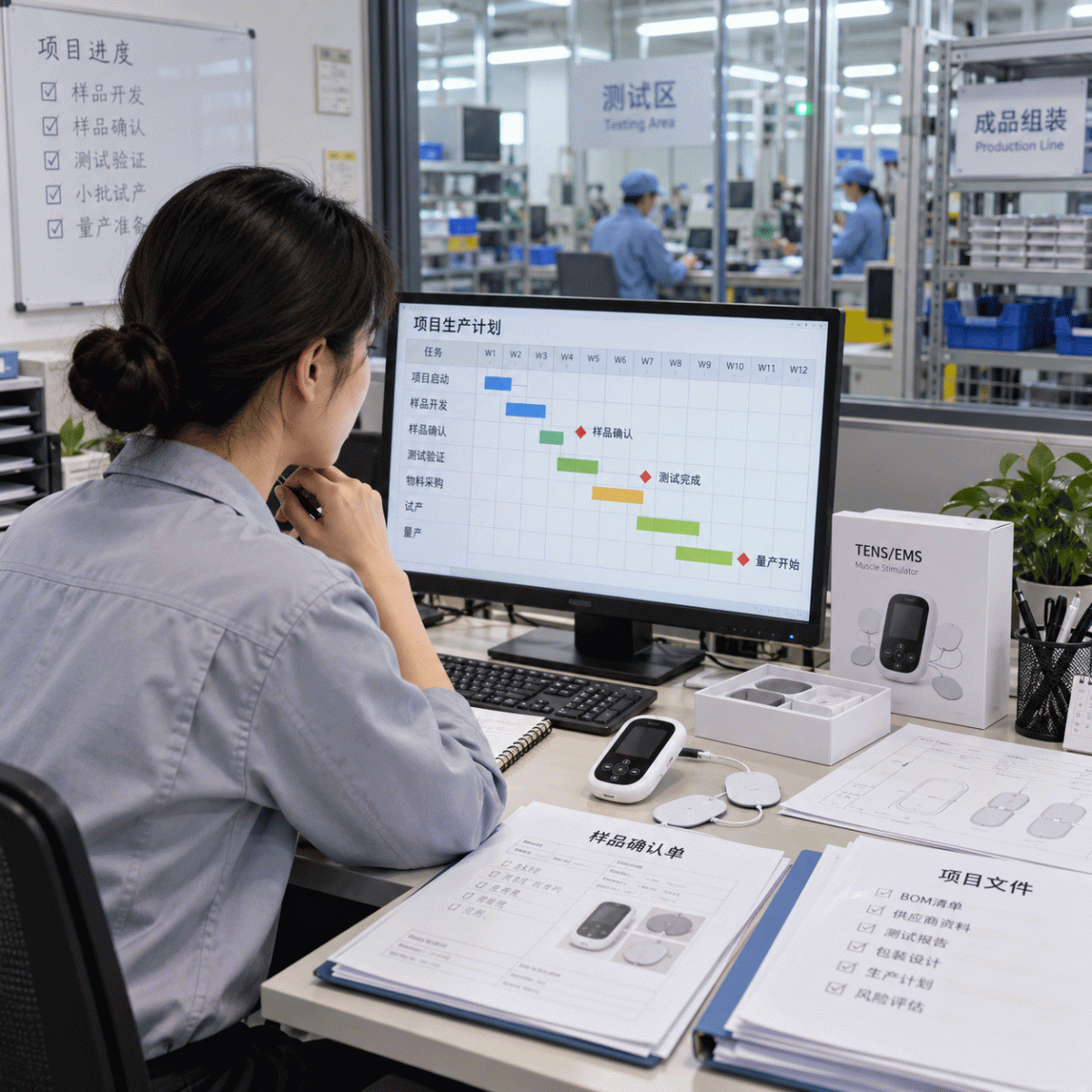
Lead time should not be understood as factory assembly time only. In most cases, the full schedule includes sample preparation, artwork confirmation, function testing, packaging approval, bulk production, and final inspection. If you already have a target shipping date or launch plan, sharing it early helps the supplier recommend a more realistic timeline.

Clear Specifications Improve Quotation Accuracy

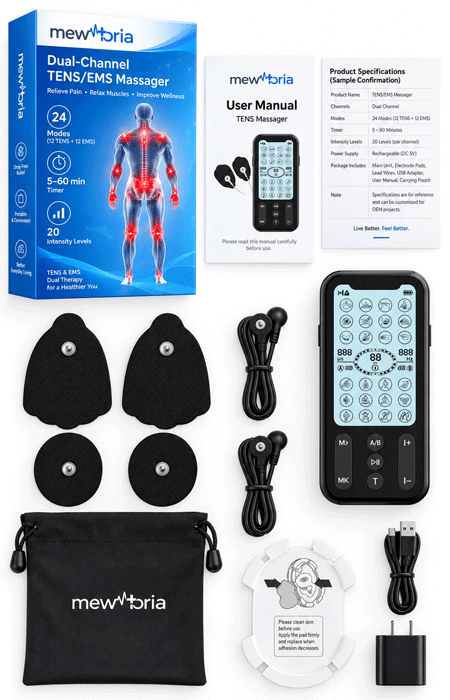
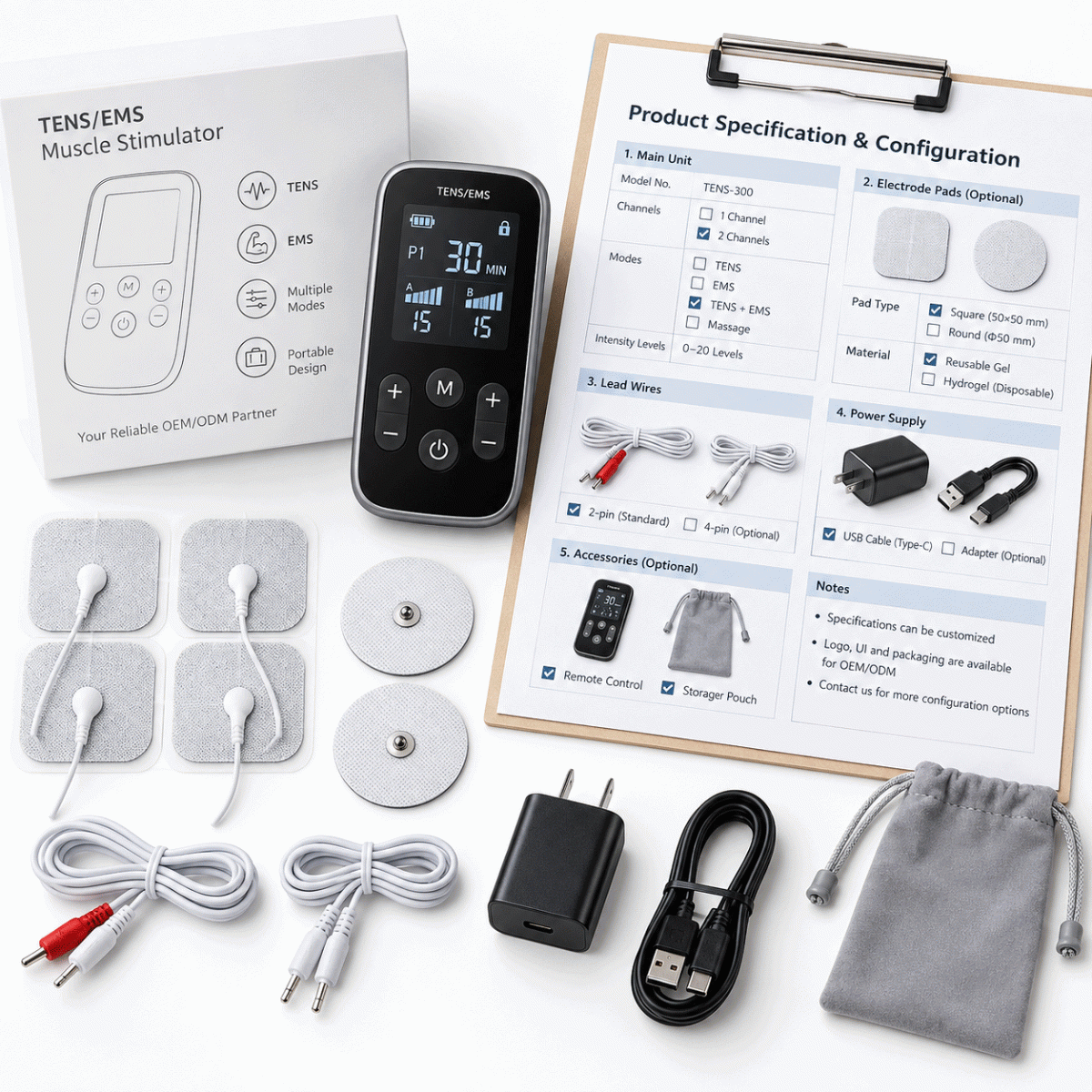
A quotation is only as accurate as the information behind it. Buyers should clearly define the device type, number of channels, pulse modes, intensity range, heating function, remote control option, battery type, accessories, display requirements, and preferred packaging style. The clearer the specifications, the easier it is for the supplier to recommend the right platform and avoid price changes later.

A Good RFQ Saves Time for Both Sides

An effective RFQ should include estimated order quantity, target market, certification needs, packaging requirements, logo application method, preferred incoterm, and sample expectations. If available, buyers can also share reference images or competitor links to make their requirements clearer. A complete RFQ helps the factory respond faster with a more relevant proposal.

Start with a Clear Brief, Not Just a Price Request

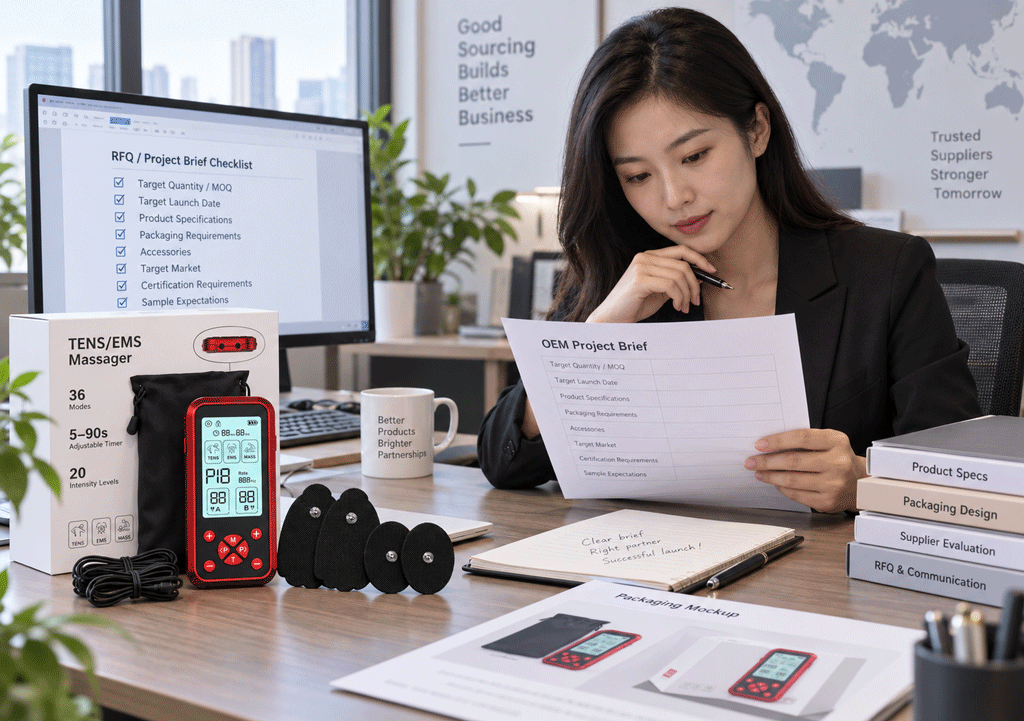
If you want quicker feedback from a TENS/EMS manufacturer, prepare your MOQ target, launch timeline, key specifications, market requirements, and RFQ checklist in one concise document. This makes communication more efficient, reduces unnecessary revisions, and improves the chance of moving from inquiry to approved sample and mass production without avoidable delays.