TENS & EMS Buyer Resources
Quality Control for TENS/EMS Manufacturing: What B2B Buyers Should Check
A TENS or EMS device can look excellent in a product photo and still create problems after mass production. For B2B buyers, appearance is only one part of product evaluation. What matters more is whether the device delivers stable output, responds correctly to user controls, works consistently with electrodes and accessories, and performs the same from one production batch to the next.
This is why functional testing should be reviewed before packaging, color, logo placement or other cosmetic details are finalized. A well-designed housing may help a product sell, but reliable performance is what helps reduce complaints, returns and costly changes after launch.
What Should Be Tested Before Mass Production?
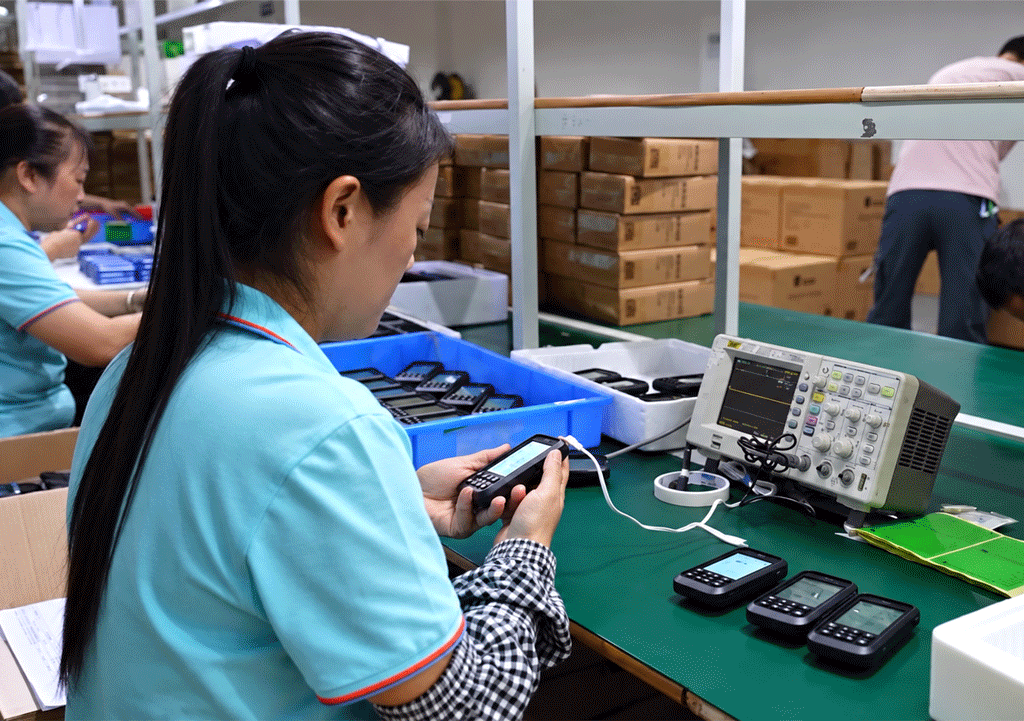
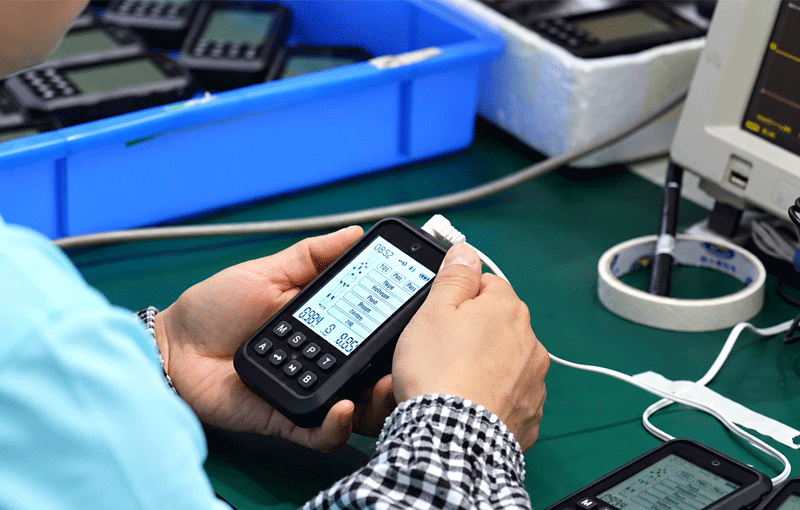
Before approving a TENS/EMS device for production, buyers should look beyond whether the sample powers on normally. Functional testing should confirm how the device performs under different settings and realistic operating conditions.
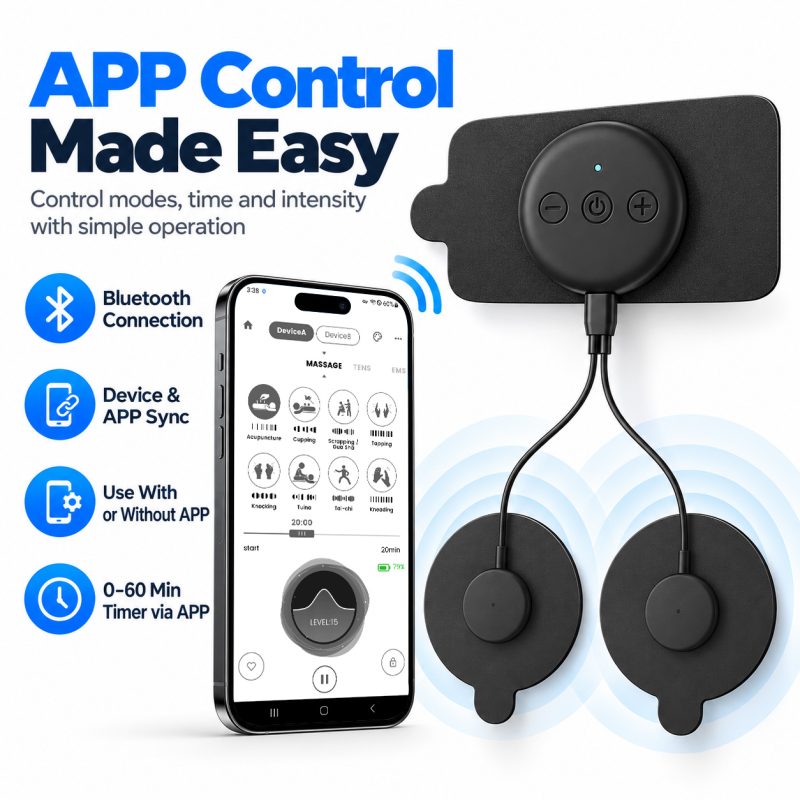
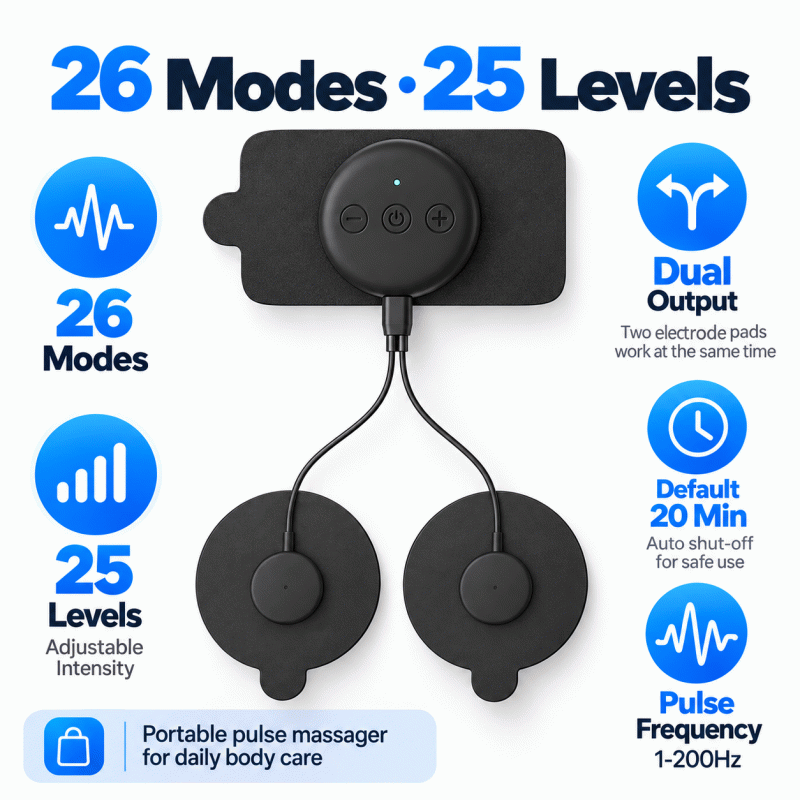
Key checks may include stimulation output, mode switching, intensity adjustment, timer operation, channel performance, electrode connection detection, charging and battery behavior. For products with additional functions, heating performance, wireless control and remote-control response should also be verified.
The goal is not simply to prove that one sample works. The goal is to confirm that the product specification can be reproduced consistently during production.
Electrical output is one of the areas buyers should examine carefully. Different stimulation modes are created through combinations of waveform, pulse width, frequency and output intensity. A device that switches modes correctly on the screen does not automatically mean that the electrical output matches the intended specification.
During development and production validation, output characteristics can be checked using appropriate test equipment and defined loads. For multi-channel devices, channel response and consistency should also be evaluated rather than checking only whether both channels can turn on.
This becomes especially important when a buyer requests firmware changes, additional intensity levels, new stimulation programs or other OEM/ODM modifications. Every functional change should be verified against the agreed product specification before mass production.
A Good Sample Is Not Enough
A common sourcing mistake is approving a product because one or two samples perform well. Sample approval is important, but B2B buyers should also ask how the manufacturer controls performance during pilot production and mass production.
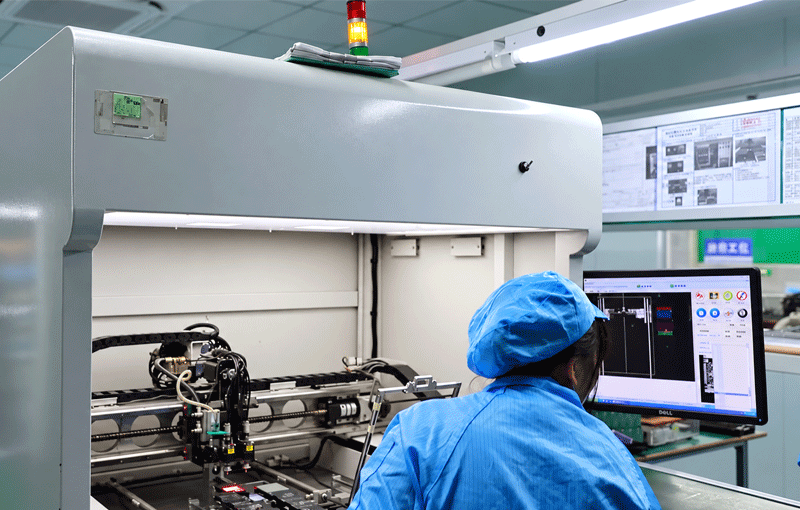
Component variation, assembly differences, firmware changes and accessory compatibility can all affect the final user experience. This is why a reliable manufacturing process needs defined inspection points rather than relying only on a final visual check.
Before placing a larger order, buyers should clarify what is tested, when it is tested, what the pass/fail criteria are, and whether test results can be traced back to the production batch.
What B2B Buyers Should Ask the Factory
When comparing TENS/EMS suppliers, do not stop at product photos, quotations and packaging options. Ask how functional performance is controlled during production.
Ask for the testing process, not only a “QC passed” statement.
A useful discussion should cover stimulation output, channel performance, electrode connection, battery and charging behavior, firmware functions and any customized features included in your project.
If your product includes heating, wireless control, a remote controller or other added functions, those functions should have their own verification steps as well. The testing scope should always follow the final product configuration and target-market requirements.
Function First, Appearance Second
Industrial design, product color and packaging all matter in a competitive retail market. But these elements are much easier to improve than unstable electrical performance or inconsistent production quality.
For private-label and OEM/ODM buyers, functional performance should therefore be confirmed first. Once the core device, accessories and customized functions are stable, appearance and packaging can be optimized around a product that is already ready for the next stage of commercialization.
Related Posts
TENS/EMS OEM Manufacturing Process: From Sample Approval to Mass Production
3 thoughts on “Quality Control for TENS/EMS Manufacturing: What B2B Buyers Should Check”
Comments are closed.
Бизнес выступает ключевым локомотивом роста страны.
Оно создаёт новые рабочие места и приносит гражданам надёжный заработок.
https://www.c-inform.info/news/id/108241
Более того, свое дело стимулирует инновации и внедрение передовых технологий.
Таким образом, бизнес делает экономику более благополучной и даёт возможности к самореализации.
La ludopatía responsable se define como una filosofía el cual pretende preservar la moderación sobre las apuestas y minimizar los daños potenciales vinculados a esta actividad.
Incluye definir límites de dinero antes de empezar a jugar, así como detectar las señales de una conducta problemática.
https://www.apkfiles.com/apk-622658/descargar-mobcash-apk-oficial-gesti-n-de-caja-m-vi
Además, promueve elecciones informadas así como procura que la la diversión siga siendo la finalidad central al el juego.
En resumen, esta práctica facilita a las personas a preservar el dominio sobre sus decisiones así como a vivir la actividad de manera segura.
На данном сайте вы сможете почерпнуть массу ценных сведений.
Здесь размещены разнообразные исследования на важные направления.
Каждый пользователь сможет почерпнуть немало полезного и пополнить свой понимание.
Статьи постоянно пополняются, дабы пользователи неизменно располагали доступ к наиболее новейшей базе.
https://sakhaday.ru/news/vmesto-nadoevshih-makaron-gotovlyu-alio-olio-i-peperonchino-vsego-15-minut-i-uzhin-gotov