TENS & EMS Buyer Resources
Electrode Pads, Lead Wires & Accessories: How to Build the Right Product Kit

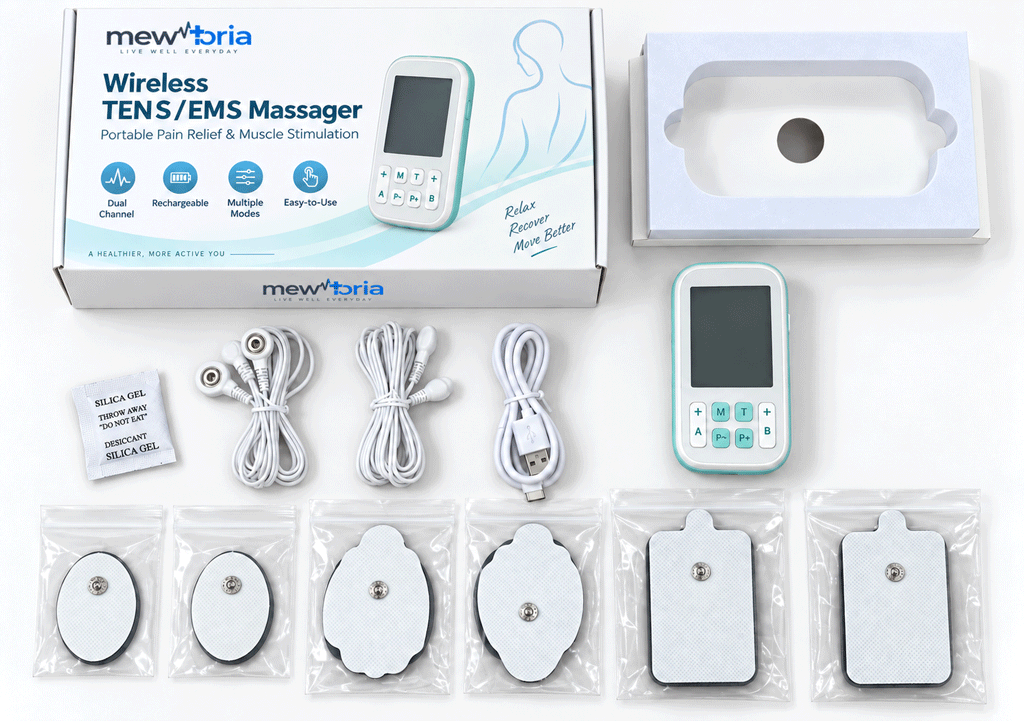
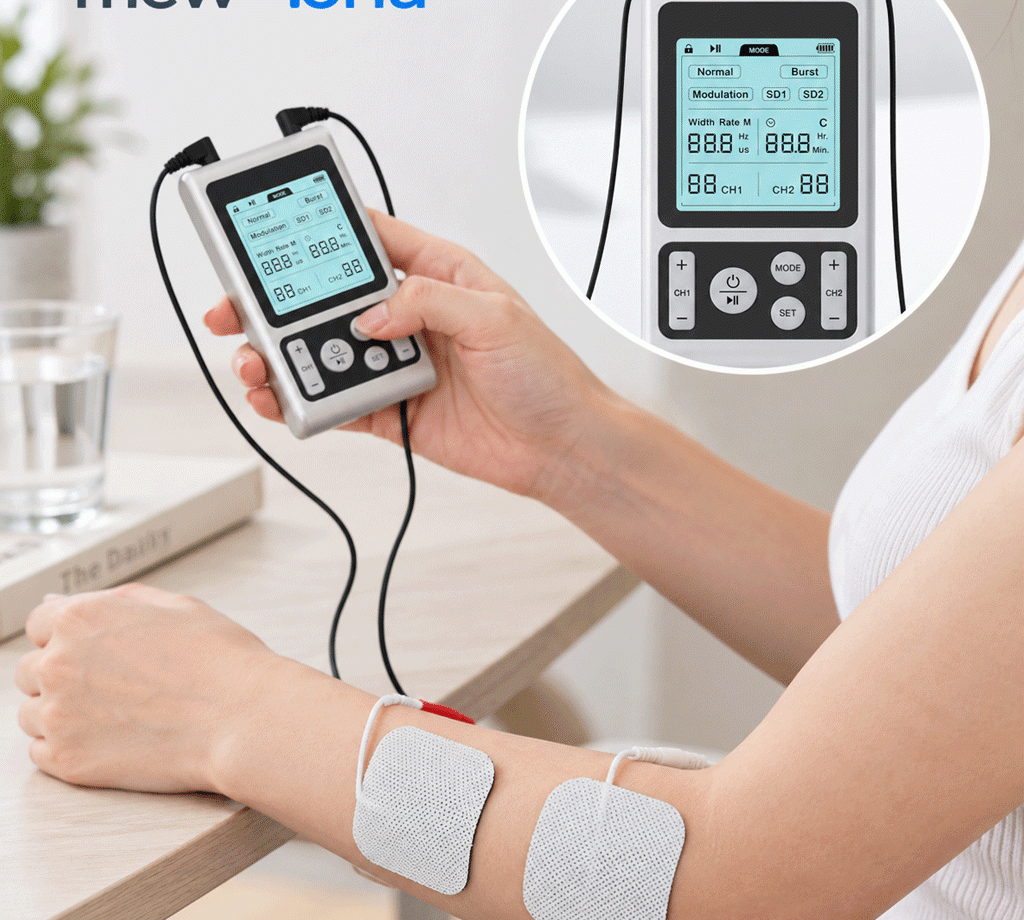

Electrode pads and lead wires may look like small parts of a TENS or EMS product, but they have a direct impact on how the device is used after unboxing. For private-label buyers, the right accessory kit should match the device configuration, connector type, intended use and real user habits—not simply include as many pieces as possible.
A practical kit should make the first setup simple and make future replacement easy. Users need to know which pads fit the device, how the wires connect, where accessories are stored and what to reorder when the original pads reach the end of their usable life. For brands and distributors, these details can also reduce compatibility questions and make replacement accessories easier to manage after the initial sale.
Electrode pad selection should begin with the product’s intended use rather than the number of pads shown on the box. Pad size, shape, connector style, adhesive system and placement area can all affect the user experience.
For many home-use TENS/EMS products, a simple combination of standard pads is more practical than including several shapes that users may never need. Larger or specially shaped pads can be considered when they support a clear product scenario. The final specification should also stay consistent with the device and the requirements of the target market.
A better product kit is not the one with the most accessories. It is the one users can connect, place, store and replace without confusion.
For an OEM/ODM project, the accessory list should be confirmed together with the main device—not after the retail packaging is finished. The number of output channels affects the lead-wire configuration, the connector standard determines pad compatibility, and the charging system determines which cable should be included. The sales channel also matters: a starter kit for retail may need a different pad quantity and storage solution from a replacement-focused online bundle.
Choose pad sizes and shapes around the intended product scenario rather than a generic “more is better” bundle. A practical TENS/EMS kit may use standard pads for everyday applications and a limited number of larger pads where broader electrode coverage is appropriate.
More importantly, keep the replacement specification consistent. Users should be able to identify the correct pad type without guessing which connector or size fits their device.
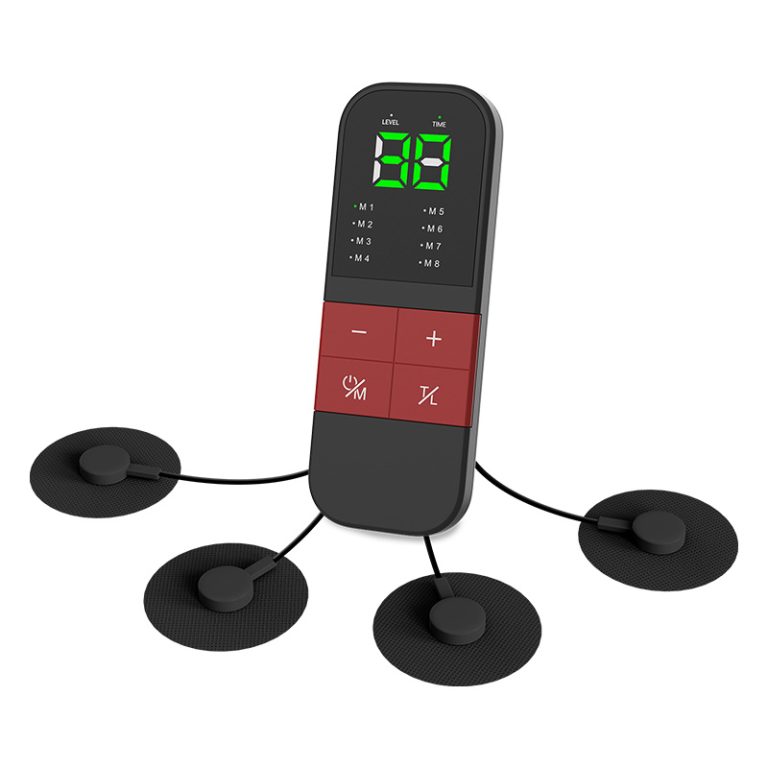
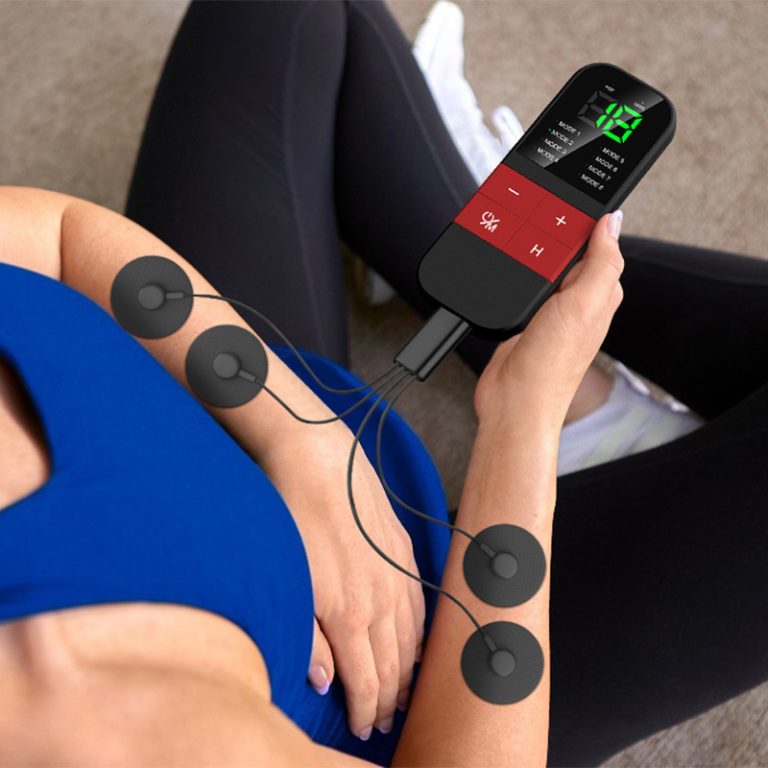
Lead wires should match the device channel layout, connector standard and expected way of use. Cable length, flexibility and strain relief can make a noticeable difference when users are sitting, moving or positioning pads on different parts of the body.
For private-label projects, keeping connectors and replacement wires standardized across compatible models can also simplify sourcing, packaging and after-sales support.
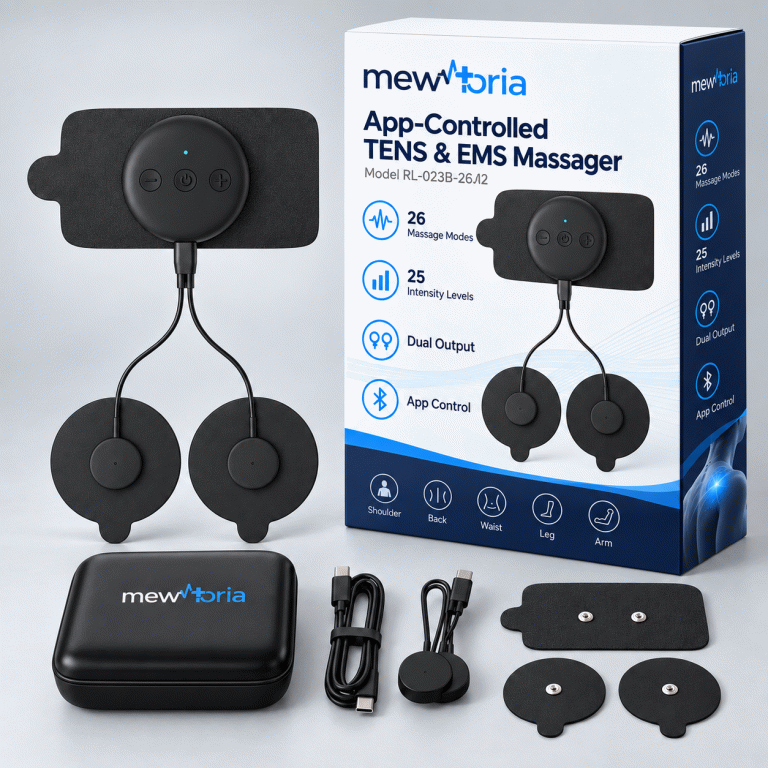
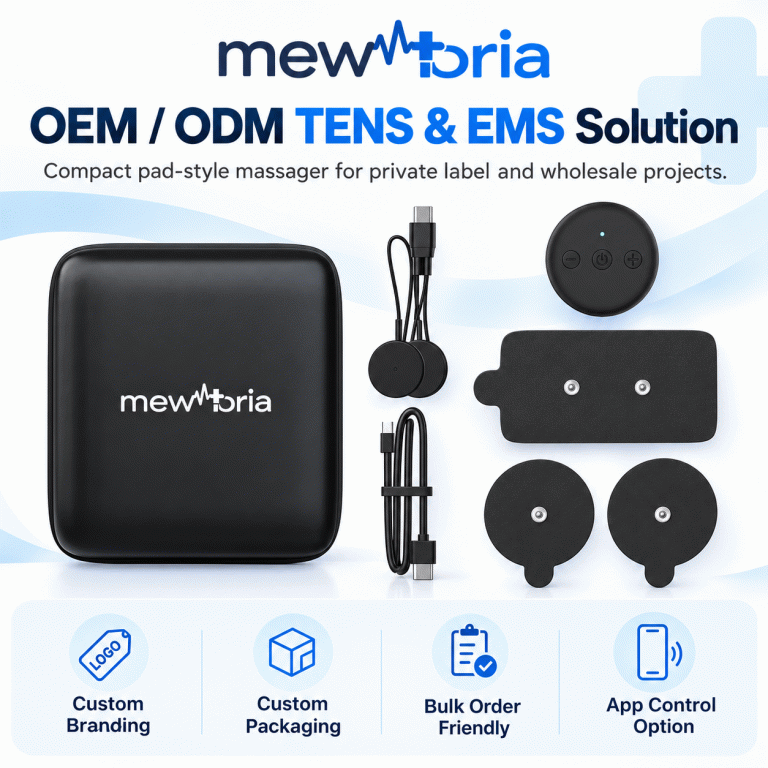
The final accessory BOM should be confirmed before mass production. For each project, define the electrode type and quantity, connector specification, lead-wire length, charging cable, pad holder or storage option, replacement accessory SKU and packaging position. This creates a cleaner unboxing experience for the end user while giving brands and distributors a clearer path for replacement sales and after-sales support.
A well-built TENS/EMS kit does not need unnecessary extras. It needs the right components, in the right quantities, with clear compatibility from the first order to the next replacement.
No account yet?
Create an Account