


TENS & EMS Buyer Resources
What Can Be Customized on a TENS/EMS Device?

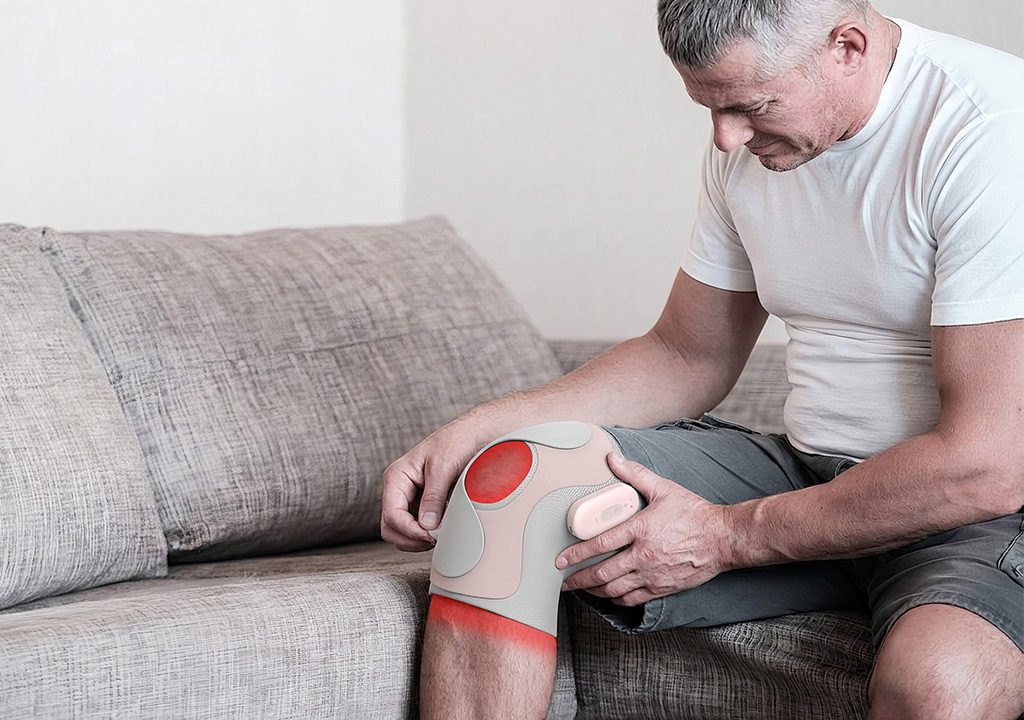
For a TENS or EMS project, customization is more than putting a logo on an existing device. The right specification depends on who will use the product, where it will be sold, and how it fits into a real daily routine. A compact wireless TENS device designed for discreet everyday use has very different requirements from an EMS belt for muscle stimulation or a dual-channel TENS unit intended for home use.
That is why we normally start with the use case before discussing individual features. For some brands, portability, rechargeable power and simple controls are more important than offering dozens of modes. Others may need independent channels, larger electrode areas, heat, remote control or a different wearable structure. The goal is not to add as many functions as possible, but to build a product configuration that makes sense for the target customer and price range.
Current market behavior supports this approach. Portable TENS and EMS products continue to play an important role in home-use electrotherapy, while search activity around terms such as TENS unit, TENS unit muscle stimulator, EMS muscle stimulator and wireless TENS shows that buyers are actively comparing both function and form factor. For private-label brands, this creates room to differentiate through a better combination of functions, usability and product positioning rather than relying on cosmetic changes alone.
Customize the Stimulation and User Experience
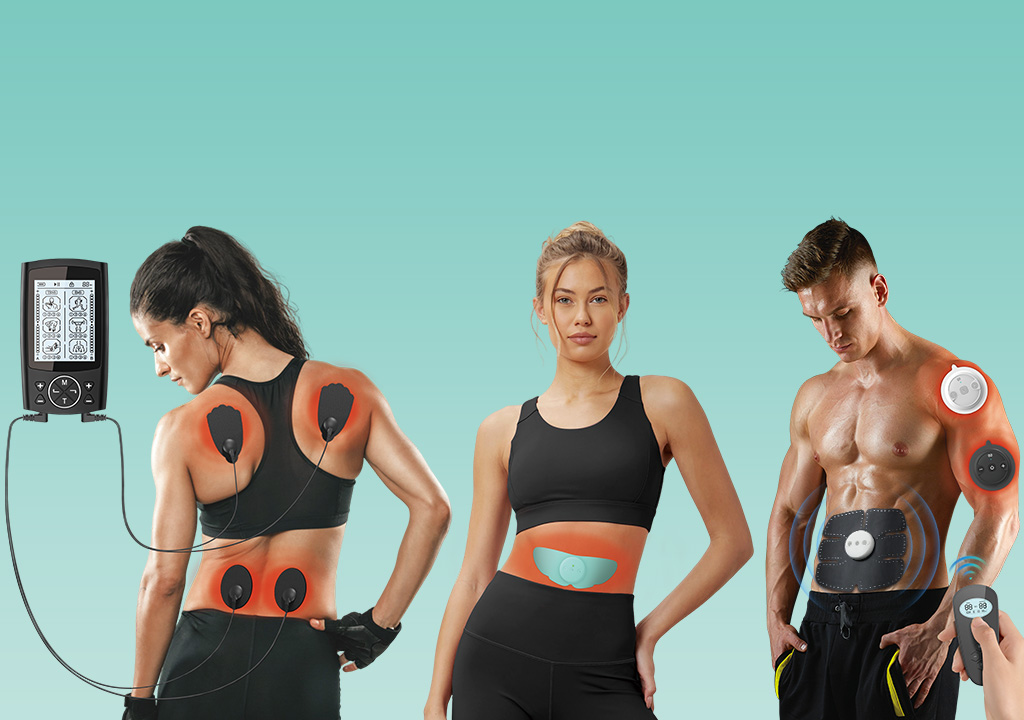
The electrical stimulation system is usually the most important part of a custom TENS/EMS project. Depending on the product platform, buyers may develop a TENS-only, EMS-only or TENS + EMS configuration, together with different mode structures, intensity levels, treatment timers and channel arrangements. Single-channel products can keep operation simple, while dual-channel designs may allow two electrode areas to be controlled separately.
Other options can include adjustable pulse settings, independent channel intensity, pause and memory functions, LCD or LED displays, rechargeable batteries, USB Type-C charging, heat levels, wireless control or a handheld remote. These options should not be treated as a checklist. Every additional function affects the PCB design, enclosure, battery requirements, user interface, testing process and final cost, so the specification needs to be evaluated as one complete system.
Real user behavior should also influence these decisions. A wearable product positioned for women’s menstrual comfort may benefit from a low-profile structure, simple TENS and heat control, discreet operation and an easy-to-reach remote. An EMS waist belt for fitness or recovery may place more emphasis on secure wearing, electrode coverage and clear intensity adjustment. A conventional home TENS unit may instead prioritize independent channels, reusable electrode pads and an interface that is easy to understand without repeatedly reading the manual.
Customize the Device, Accessories and Private Label System
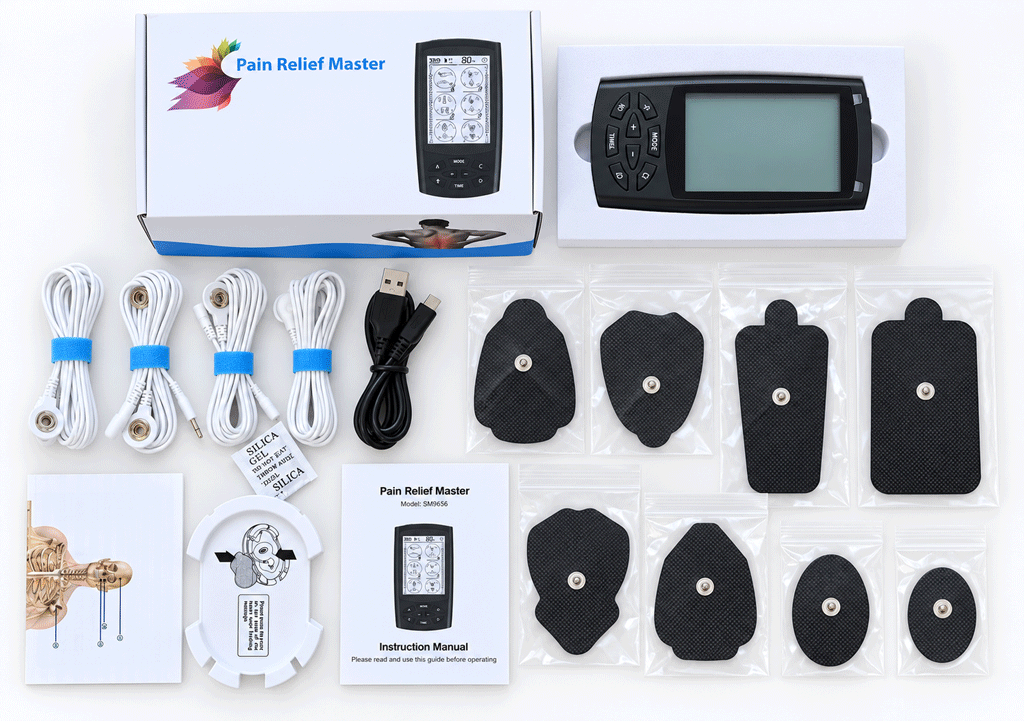
Once the core function is defined, the physical product can be adapted to the brand and sales channel. Depending on the selected platform and project volume, customization can include housing color, surface finish, logo position, screen graphics, button layout and selected structural details. For wearable products, the shape and thickness of the controller, attachment method and overall comfort can be just as important as the electronics inside.
Accessories are another practical area for differentiation. Electrode pad size and shape can be selected around the intended body area, while lead wires, connectors, charging cables, remotes, belts, storage cases and accessory quantities can be configured around the product package. A brand selling a compact wireless TENS product, for example, may need a very different accessory set from a distributor purchasing a multi-channel TENS machine for a broader home-use range.
Private-label customization also extends to the parts customers see before they turn the device on. The retail box, instruction manual, product label, quick-start guide, inner tray and accessory arrangement can all be developed around the brand. Packaging for Amazon, pharmacy retail, distributors or direct-to-consumer websites may require different priorities in terms of size, information hierarchy and presentation. Labeling and product claims should always be reviewed according to the intended market and applicable regulatory pathway rather than copied directly from another product.
A useful customization brief should therefore start with the target country, sales channel, user group and intended product scenario. From there, the project can define must-have functions, optional functions, preferred product form, accessories, packaging requirements, target price range and expected launch schedule. This gives the engineering and sourcing teams a much clearer basis for evaluating an existing platform or deciding whether deeper ODM development is necessary.
The best custom TENS/EMS device is not necessarily the one with the longest feature list. It is the product that gives the target user the right functions with fewer unnecessary steps, while still fitting the brand’s cost, positioning and compliance requirements. For brands developing a private label TENS unit, wireless TENS device or EMS muscle stimulator, a clear product brief at the beginning usually saves more time than adding features later.