

TENS & EMS Buyer Resources
TENS vs EMS Customization: How to Choose the Right Functions for Your Market

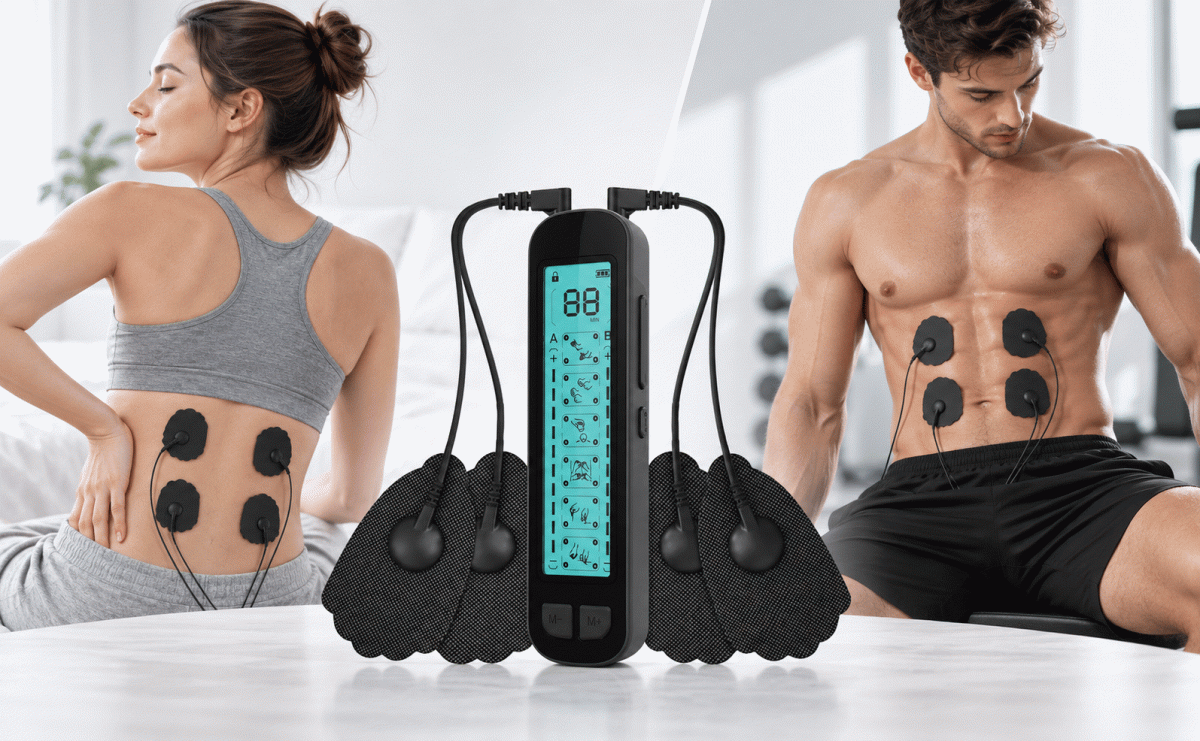

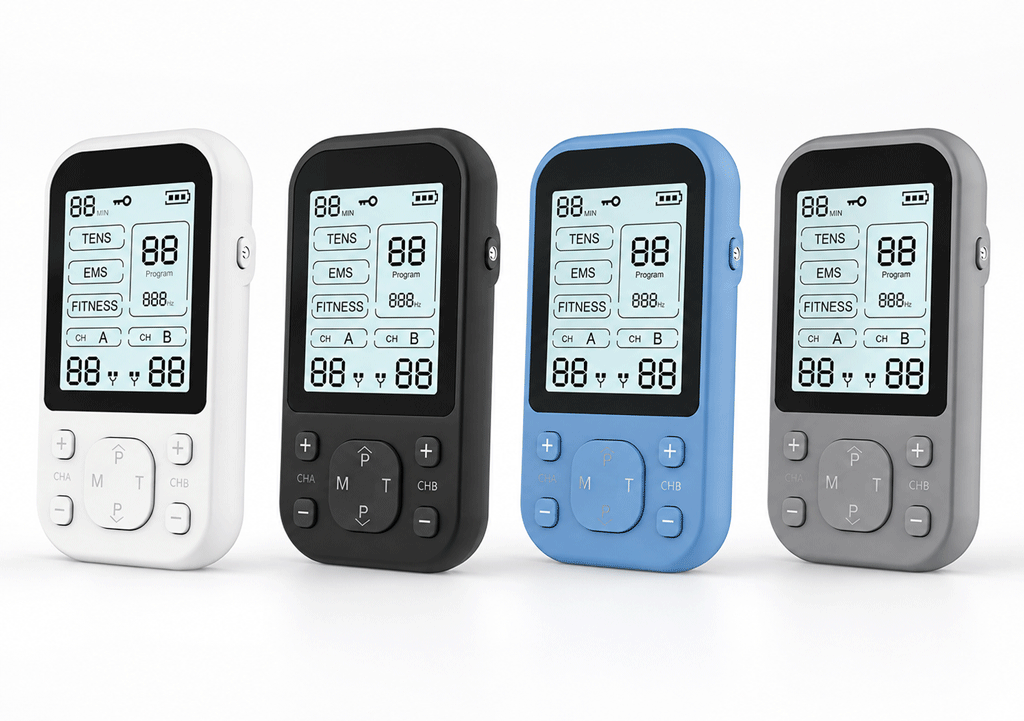
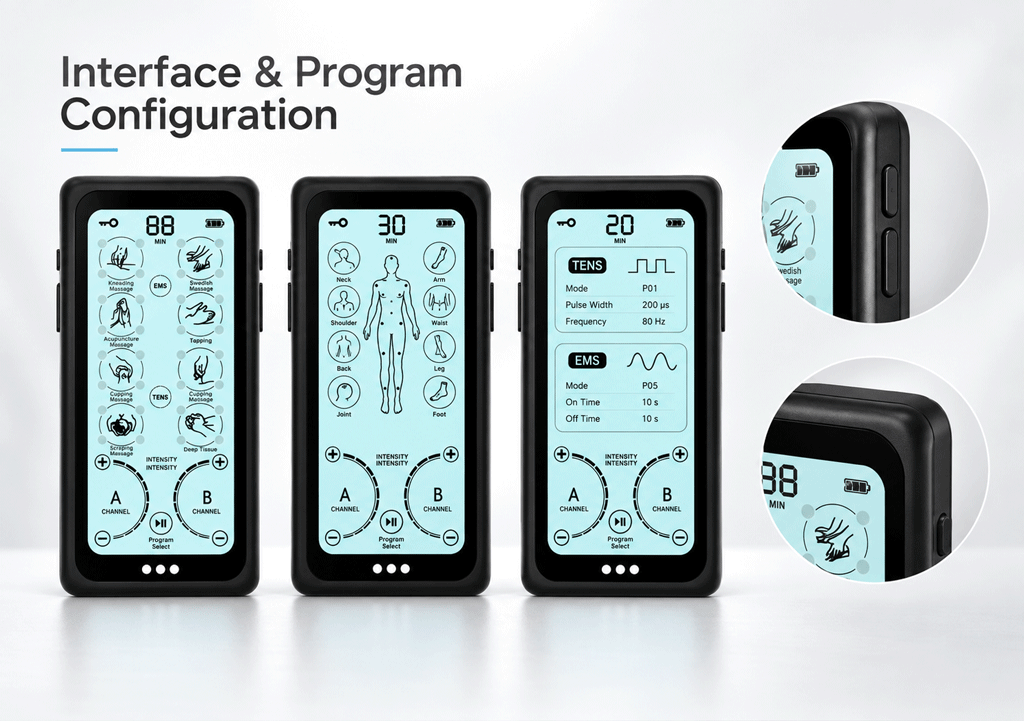
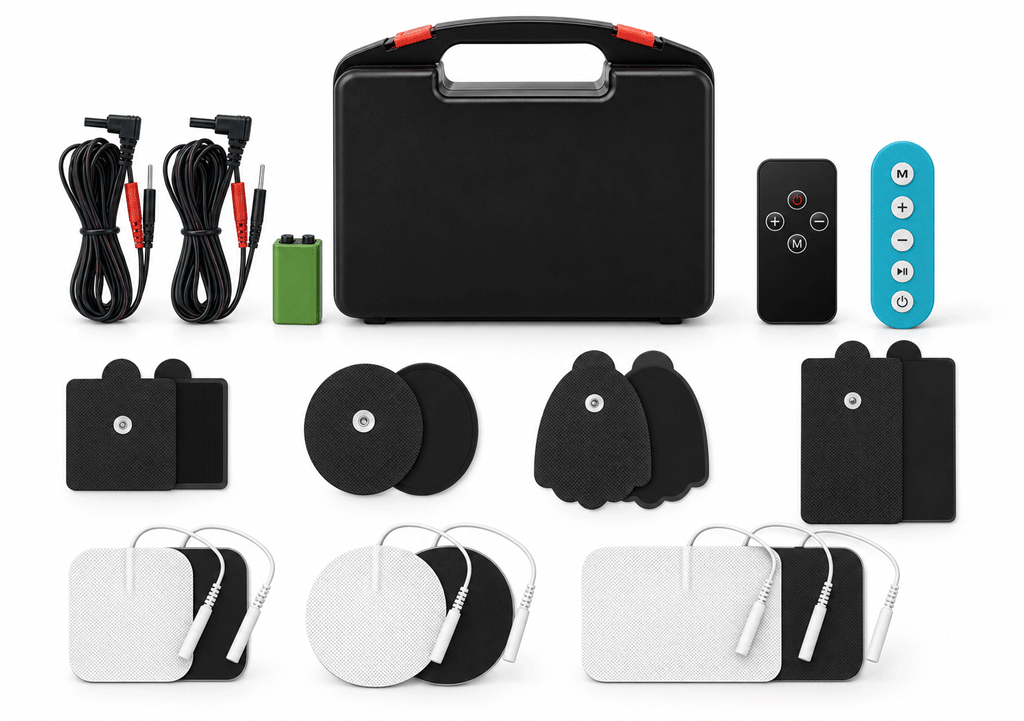
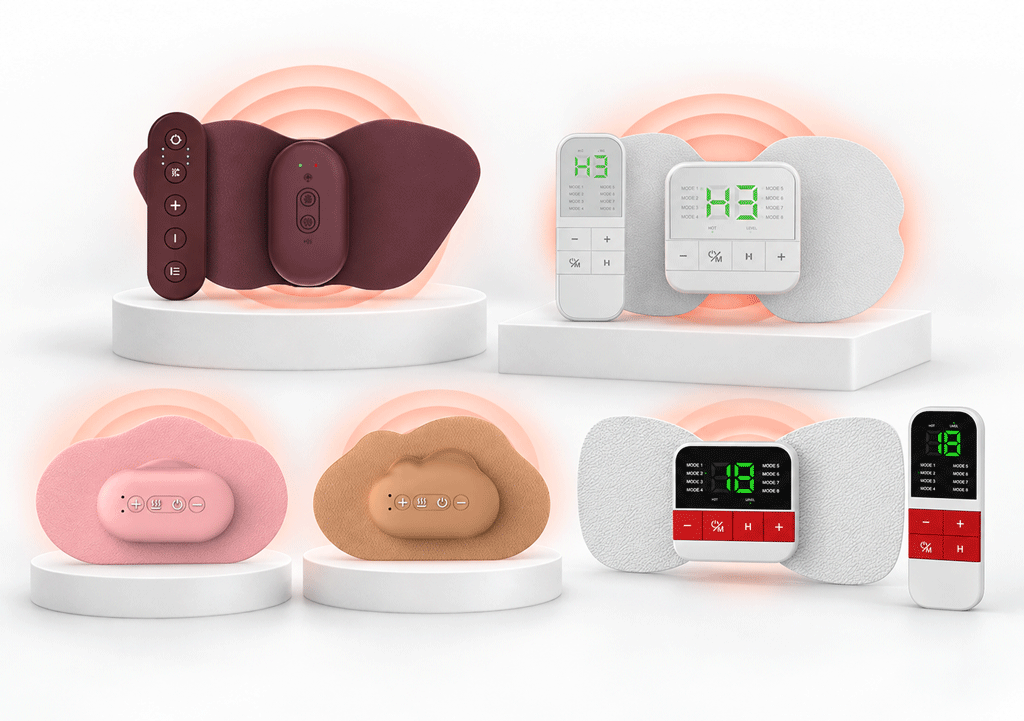
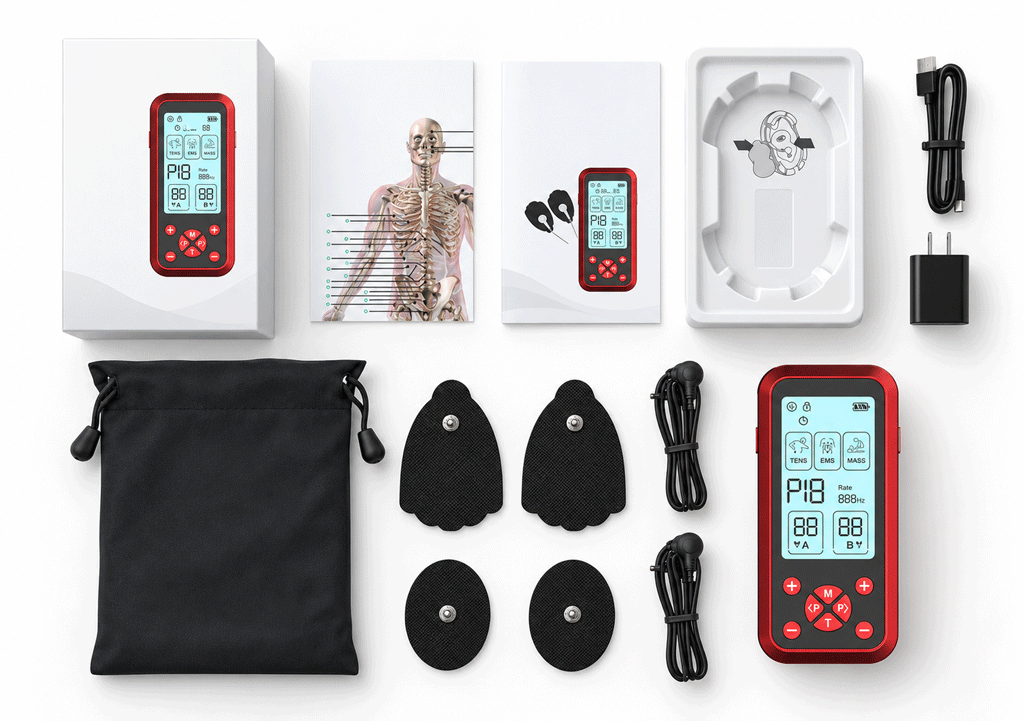


When starting a private label electrotherapy project, buyers often ask the same question: should the product focus on TENS, EMS, or combine both functions?
The answer depends less on the number of programs and more on who will use the product, where it will be sold and how the brand wants to position it.
A home electrotherapy product may need simple controls, flexible intensity adjustment and practical electrode options. An EMS product developed for sports recovery or wellness may place more emphasis on portability, rechargeable power and an easier-to-use muscle stimulation program structure.
For OEM and private label projects, the better approach is to define the market first and select the functions second. This helps avoid unnecessary features while keeping the product easier to understand, price and promote.
TENS is commonly selected for home electrotherapy, rehabilitation-oriented products and pain-management applications.
EMS is more closely associated with muscle stimulation, sports recovery, fitness and wellness positioning.
A combined TENS + EMS platform can cover more use cases, but more functions do not automatically create a stronger product. The program structure and controls still need to remain clear for the intended customer.
Once the stimulation type is clear, the next step is deciding which features actually support the product positioning. Channel configuration, intensity adjustment, timer settings, electrode options, rechargeable power and the user interface can all influence how the finished product is used and priced.
Wireless control, remote control or heating can provide additional differentiation on compatible platforms. But these options should solve a real user need rather than simply make the specification longer.
A basic private label project may focus on the logo, housing color, packaging, manual and accessory combination. Deeper customization may involve program groups, interface labels, timer logic, intensity structure, channel configuration or selected hardware options, depending on the platform.
New enclosures, PCB architecture, firmware, wireless systems or other specialized functions require a longer engineering and validation process. The right level of customization should therefore match the launch schedule, expected order volume, target price and the amount of differentiation the brand actually needs.
If you are evaluating a TENS, EMS or combined electrotherapy product, prepare your target market, sales channel, required functions, estimated quantity and branding requirements before requesting a quotation.
Mewloria can then help compare suitable product platforms and determine whether private labeling, function customization or deeper ODM development is the more practical route.
No account yet?
Create an Account